Mental Health in Himachal Pradesh: 5 Silent Struggles & Solutions
Bridging the gap between isolation and support in the Himalayas.
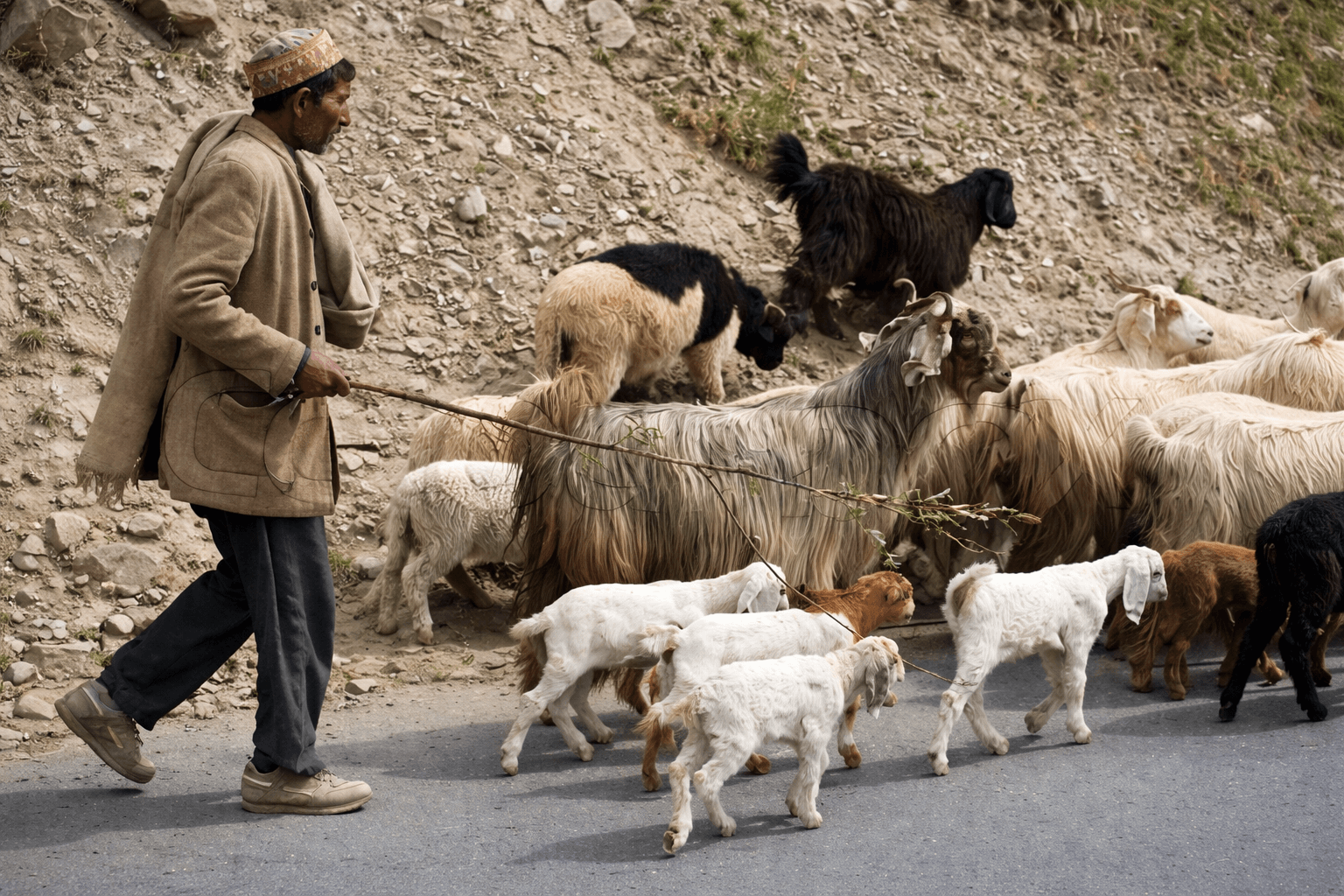
The state of Mental Health in Himachal Pradesh is a complex issue often hidden behind the region's serene landscapes. While the world sees our state as a peaceful retreat, local communities face a silent struggle. Long winding roads, scattered populations, and harsh winters create unique barriers that conventional hospital systems cannot fix.
Understanding the reality of Mental Health in Himachal Pradesh requires looking beyond the scenery to the social and geographic challenges. This guide explores the 5 most critical barriers facing our people and why Community-Based Care is the only sustainable solution.
1. The Isolation Factor
One of the biggest contributors to poor Mental Health in Himachal Pradesh is physical isolation. In districts like Kangra, Chamba, and Mandi, villages are often separated by hours of travel.
This "Hill State Melancholy" is not just poetic; it is clinical. Long winters and limited social interaction in remote hamlets can lead to severe depressive episodes. Unlike cities where distraction is easy, the silence of the hills can sometimes amplify internal struggles.
2. Stigma & Social Shame
In small close-knit communities, everyone knows everyone. This high social visibility is a double-edged sword for Mental Health in Himachal Pradesh. Families often hide psychiatric issues to protect their reputation ("Log kya kahenge").
Visiting a government psychiatric ward carries a fear of being labeled. This stigma prevents early intervention, turning manageable anxiety into chronic disorders.
3. Access Barriers (The Tyranny of Distance)
The centralized medical model fails here. A clinic in Shimla or Dharamshala is inaccessible to a villager who must travel 6 hours to get there. Treatment consistency drops, and relapse rates rise. This geographic gap is the single largest hurdle for Mental Health in Himachal Pradesh.
4. Economic & Seasonal Stress
Life in the hills is tied to the seasons. Agriculture failure or a dip in tourism creates immediate financial anxiety. This economic instability is a major trigger for stress-related disorders. Addressing Mental Health in Himachal Pradesh requires acknowledging these economic realities.
5. The Addiction Crisis
To cope with isolation and cold, many turn to substance abuse. Alcohol dependence is a rising concern that intertwines deeply with mental health issues. Comprehensive rehabilitation, like the programs at Vishalya Wellness, is critical for treating this dual diagnosis of addiction and depression.
The Solution: Community-Based Care
To improve Mental Health in Himachal Pradesh, we must shift from a "Hospital" model to a "Home" model. According to the World Health Organization (WHO), community care bridges the gap by bringing support directly to the village.
Why It Works:
- Familiarity: Support comes from trusted community entities, not impersonal hospitals.
- Affordability: It removes travel costs, making care viable for daily wage earners.
- Accessibility: Counseling services, like those at Vaishalya Healing, become available locally, normalizing the conversation.
Asha Bhupender Charitable Trust: Leading the Change
Asha Bhupender Charitable Trust is pioneering this community-first approach in Palampur. We believe that improving Mental Health in Himachal Pradesh requires decentralized action.
Our Approach Includes:
- Village Awareness Camps: Breaking stigma at the grassroots.
- Local Counseling: Providing psychological support without the travel burden.
- Family Reintegration: Educating families to be the primary support system.