
Dinacharya Decoded: 9 Steps to an Ayurvedic Morning Routine for Energy
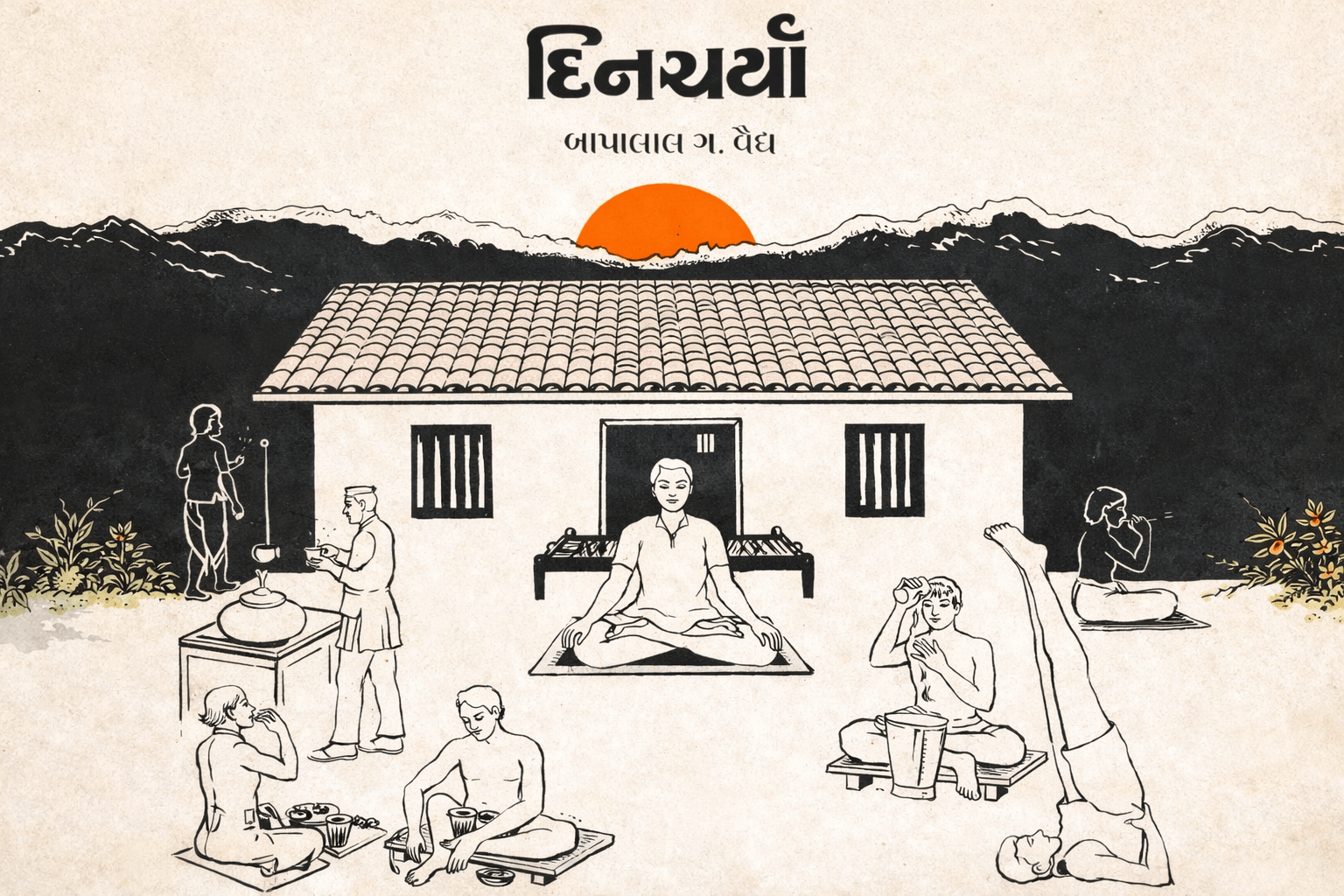
In the ancient wisdom of India, health is not defined merely by the absence of disease. It is understood as a continuous state of balance, clarity, and inner vitality. At the meeting point of Ayurveda, the science of life, and Yoga, the discipline of inner integration, lies a powerful yet often overlooked practice known as Dinacharya, the Ayurvedic morning routine.
Dinacharya is not a rigid schedule; it is a living rhythm that aligns the human body and mind with the natural cycles of the day. In the modern world, exhaustion is often normalized. Many rely on stimulants to start the day and sedatives to end it, unaware that this constant push against the body’s natural intelligence slowly drains vitality.
Ayurveda teaches that energy, or Prana, is not something we borrow from external substances. It is a force that must be protected, cultivated, and circulated through conscious daily habits. When we live in harmony with the body’s internal clock, energy stabilizes naturally, the mind becomes calm, and resilience increases.
This guide explains the Ayurvedic morning routine in detail, showing how small, consistent practices can restore physical energy, mental clarity, and emotional balance.
Understanding Time, Rhythm, and Energy in Ayurveda
Ayurveda views time as an active biological force. According to studies on circadian rhythms, our biological processes are synchronized with the sun. Each part of the day carries specific qualities that influence digestion, mood, focus, and physical strength.
The Doshas and the Daily Clock
The day is divided into repeating cycles of three biological energies known as Doshas. Understanding these is critical for optimizing your Ayurvedic morning routine.
- Vata (Air and Space): Governs movement, nerve impulses, and mental activity.
- Pitta (Fire and Water): Governs digestion, metabolism, and transformation.
- Kapha (Earth and Water): Governs structure, stability, and endurance.
These energies dominate different periods of the day:
- Vata Time: 2:00 AM to 6:00 AM
- Kapha Time: 6:00 AM to 10:00 AM
- Pitta Time: 10:00 AM to 2:00 PM
Waking during the Vata period allows the mind to access clarity, lightness, and creativity. Sleeping into the Kapha period often leads to heaviness, sluggishness, and mental dullness, regardless of sleep duration.
Prana and Ojas
Dinacharya aims to preserve two subtle energies: Prana (the vital life force) and Ojas (the essence of immunity and vitality). When daily habits disturb natural rhythms, Prana becomes scattered. A stable routine prevents this leakage and builds deep resilience.
Waking Up and Morning Cleansing Practices
Brahma Muhurta: The Ideal Time to Wake
The period before sunrise, known as Brahma Muhurta, is considered ideal for awakening. At this time, the atmosphere is calm and rich in subtle energy. The nervous system is receptive, making it ideal for reflection, breathwork, and meditation.
Evacuation and Internal Cleansing
Ayurveda places strong emphasis on eliminating waste early in the day. Drinking a glass of warm water upon waking helps stimulate bowel movement and gently activates digestive fire.
Tongue Scraping (Jihwa Prakshalana)
During sleep, metabolic waste rises to the surface of the tongue. Scraping the tongue removes toxins, improves taste perception, and indirectly stimulates internal organs. A white or yellow coating indicates toxin buildup, which can affect gut health.
Oil Pulling (Gandusha)
Swishing sesame oil in the mouth strengthens teeth and gums, supports oral hygiene, and improves vocal quality. This practice also balances Kapha in the oral cavity.
Abhyanga: Self-Massage for Nervous System Stability
Daily oil massage is one of the most grounding practices in Dinacharya. It nourishes the skin, calms the nerves, and protects against stress-related exhaustion.
Choosing Oil by Body Type
For a detailed breakdown of your constitution, see our guide on understanding your body type.
- Vata: Sesame or almond oil for warmth and grounding.
- Pitta: Coconut or sunflower oil for cooling.
- Kapha: Mustard oil or dry powder massage for stimulation.
Massage should use long strokes on limbs and circular motions on joints. For those navigating deep emotional turbulence or trauma, professional support through Vaishalya Healing counseling services can be a vital companion to these daily self-care practices, ensuring emotional safety alongside physical grounding.
Yoga Asanas for Morning Energy
Exercise should ignite vitality without exhausting the body. Ayurveda advises stopping activity once light perspiration appears. Yoga is ideal because it integrates movement, breath, and awareness. You can read more about how Ayurveda and Yoga work together to deepen your practice.
Key Asanas for Vitality
- Surya Namaskar: Awakens circulation and digestive fire.
- Standing Poses: Build strength, balance, and alertness.
- Inversions: Improve blood flow to the brain and support hormonal balance.
- Backbends: Counter fatigue and low mood.
Consistency in your Ayurvedic morning routine matters more than intensity. Even 15 minutes of movement can reset the nervous system for the day ahead.
Pranayama: Regulating Life Force
Breath directly influences mental state. When breath is erratic, the mind becomes unstable. When breath is steady, the mind settles naturally.
Morning Pranayama Practices
- Kapalabhati: Clears stagnation and awakens the brain.
- Bhastrika: Generates heat and removes lethargy (avoid in hypertension).
- Nadi Shodhana: Balances the nervous system.
- Ujjayi: Builds endurance and emotional stability.
Meditation and Mental Clarity
After breath regulation, the mind becomes receptive to meditation. Early morning practice enhances clarity and emotional balance. Women recovering from systemic burnout often find that pairing Dinacharya with structured rehabilitation programs, like those offered by Vishalya Wellness, accelerates the return to vitality.
Diet and Morning Nutrition
Food should be consumed only when hunger is present. This principle is central to a Sattvic diet plan.
- Vata: Warm, nourishing foods.
- Pitta: Cooling, moderate foods.
- Kapha: Light or minimal breakfast.
Mindful eating supports digestion and mental steadiness.
Conclusion: Small Daily Discipline, Long-Term Energy
Dinacharya works quietly but powerfully. Its strength lies in repetition, not intensity. When daily actions align with natural rhythms, energy stabilizes, mental strain reduces, and resilience grows.
The body becomes lighter. The mind becomes clearer. Life feels less forced. An Ayurvedic morning routine is not about perfection. It is about respect for the body’s intelligence and commitment to long-term well-being.