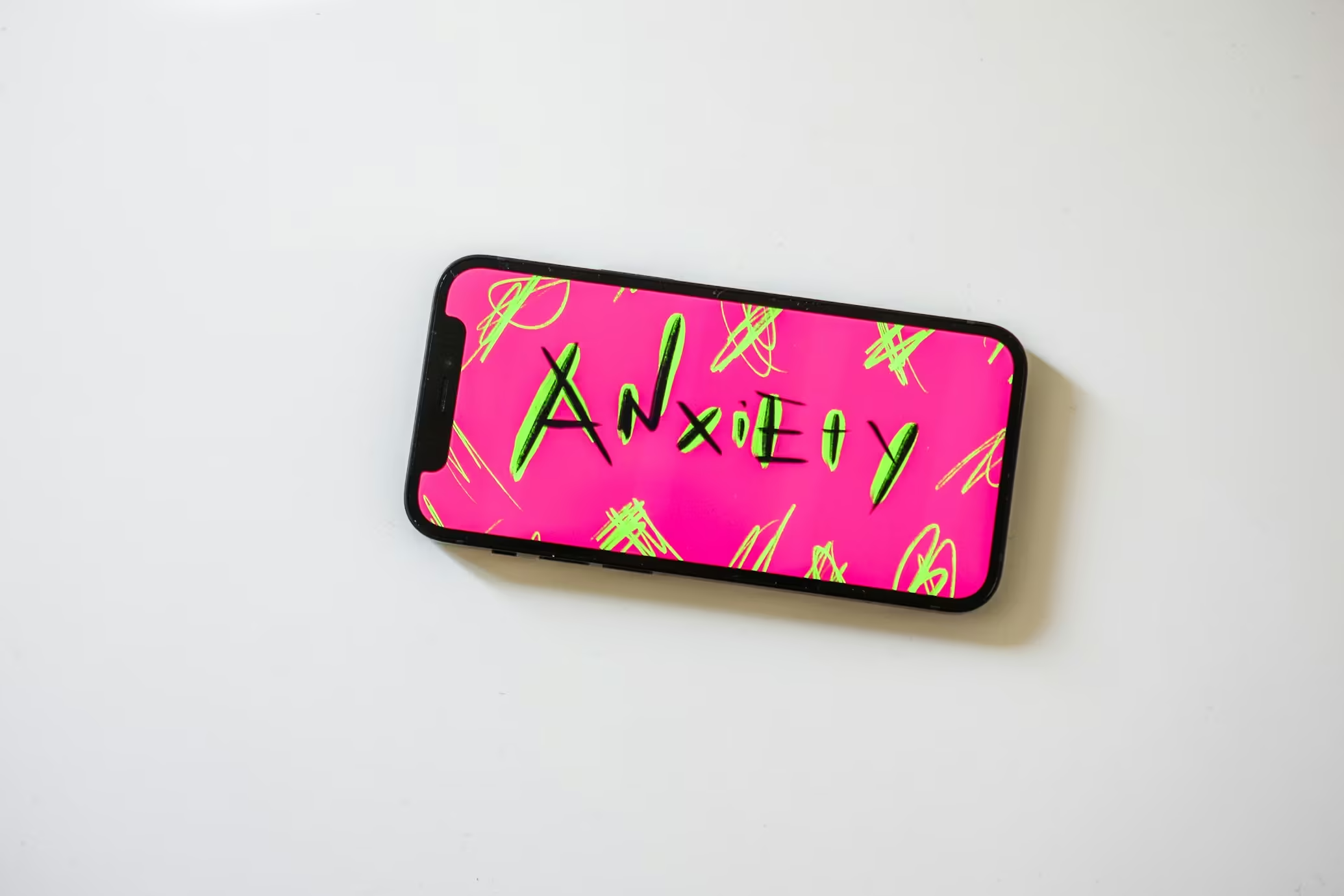
Overcoming Learned Helplessness: A Guide to Restoring Agency

One of the most painful consequences of trauma and chronic stress is the difficulty in Overcoming Learned Helplessness. Agency is the inner experience of being able to act, choose, and influence one’s life. It is the sense that you are not merely reacting to circumstances, but participating in them.
When agency collapses, people describe feeling stuck, numb, disconnected, or powerless. Life begins to feel like something that happens to them rather than something they are part of. Yet agency is not a personality trait; it is a biological capacity that can be restored. Understanding how agency is lost, and how it is rebuilt, is the foundation of long-term healing.
Contents
- Physical State: Helplessness is often a physiological survival response (shutdown), not a lack of willpower.
- Inner Narrative: Chronic stress creates harsh internal voices ("I can't") that reinforce powerlessness.
- Body First: Agency cannot be rebuilt through thought alone; it requires regulating the nervous system first.
Why Helplessness Is a Physical State, Not a Failure
Helplessness is often mistaken for laziness, weakness, or lack of willpower. In reality, it is a physiological survival response often linked to unresolved anxiety.
The Nervous System and Shutdown
The human nervous system constantly scans for safety or danger. When threats feel manageable, the body mobilises energy to respond. But when danger feels overwhelming or inescapable, the system shifts into shutdown.
This shutdown state conserves energy. The body slows, emotions flatten, and thinking becomes foggy. People may feel disconnected from themselves and the world. This is not a choice. It is the body protecting itself when action feels impossible.
When the Alarm Never Turns Off
Trauma and chronic stress sensitize the brain’s threat detection systems. For detailed research on this, the American Psychological Association (APA) offers extensive resources on how stress alters brain function. The body begins to perceive danger even in neutral situations, making the task of Overcoming Learned Helplessness feel daunting.
How the Mind Reinforces Powerlessness
Biology initiates helplessness, but psychology often maintains it.
The Inner Narrative Trap
Most people live with a constant internal voice that narrates, judges, and predicts. When agency is low, this voice becomes harsh and absolute. Thoughts such as “I can’t,” “I always fail,” or “There’s no point” begin to feel like facts. This creates a cycle similar to the social isolation seen in addiction, where individuals withdraw to avoid further pain.
Avoiding Responsibility to Avoid Pain
Taking responsibility is uncomfortable because it exposes uncertainty. Avoiding responsibility can temporarily reduce anxiety, but it also reinforces helplessness. Empowerment does not mean blaming oneself; it means acknowledging what is within one’s influence. For those struggling to break this cycle alone, Vaishalya Healing counseling services provide a safe environment to explore these narratives without judgment.
Reclaiming Agency Through the Body
Agency cannot be rebuilt through insight alone. The body must be involved.
Bottom-Up Regulation
When the nervous system is dysregulated, logical reasoning has limited access. Physical interventions help signal safety directly to the brain. Slow breathing, especially with longer exhalations, calms the heart. Gentle movement reintroduces a sense of control.
The Restorative Role of Nature
Natural environments provide sensory signals of safety. Soft sounds and natural light reduce mental fatigue. Even brief, regular exposure to nature improves clarity. Read more about how nature aids recovery in our dedicated guide.
Why Connection Restores Power
Agency is not built in isolation.
The Myth of Radical Independence
Human beings regulate emotions together. Supportive relationships stabilize the nervous system and create the safety needed for decision-making. Isolation intensifies helplessness. Safe connection restores confidence.
Co-Regulation and Emotional Safety
When someone feels deeply stuck, another regulated person can act as an anchor. Knowing that someone is emotionally available increases autonomy. For individuals facing severe burnout or emotional collapse, structured programs like those at Vishalya Wellness offer the necessary co-regulation to restart the engine of agency.
The Role of Awareness and Mindfulness
Once the body stabilizes and connection is restored, awareness becomes the key to sustaining agency.
Creating Space Between Reaction and Choice
Mindfulness is the practice of noticing what is happening without immediately reacting. This pause creates space between stimulus and response. In that space, agency returns. Thoughts are seen as events, not commands.
A Practical Path From Helplessness to Empowerment
Rebuilding agency is not a single breakthrough. It is a gradual process of Overcoming Learned Helplessness.
- Regulate the nervous system before demanding action.
- Modify the environment to support calm and focus.
- Seek safe connection via community support systems.
- Replace self-attack with compassionate correction.
- Practice awareness consistently, not perfectly.
Conclusion: Becoming the Author of Your Life
Moving from helplessness to empowerment is not about becoming fearless. It is about regaining the ability to participate in one’s own life. Agency grows when the body feels safe, the mind becomes flexible, and connection replaces isolation.