The Reality of Interrupted
Education and Skills Gaps
Across many communities in Himachal Pradesh, educational journeys are frequently disrupted due to financial hardship, health challenges, family instability, or lack of access to resources. Young people facing mental health struggles or growing up in vulnerable environments often fall behind academically, while adults affected by addiction or emotional distress may lose employability over time.
These gaps are not a reflection of lack of ability or motivation. They are the result of circumstances that limit access, continuity, and support. Without targeted interventions, individuals remain excluded from opportunities that could restore confidence, purpose, and economic security.
Why Education and Skills
Matter for Recovery
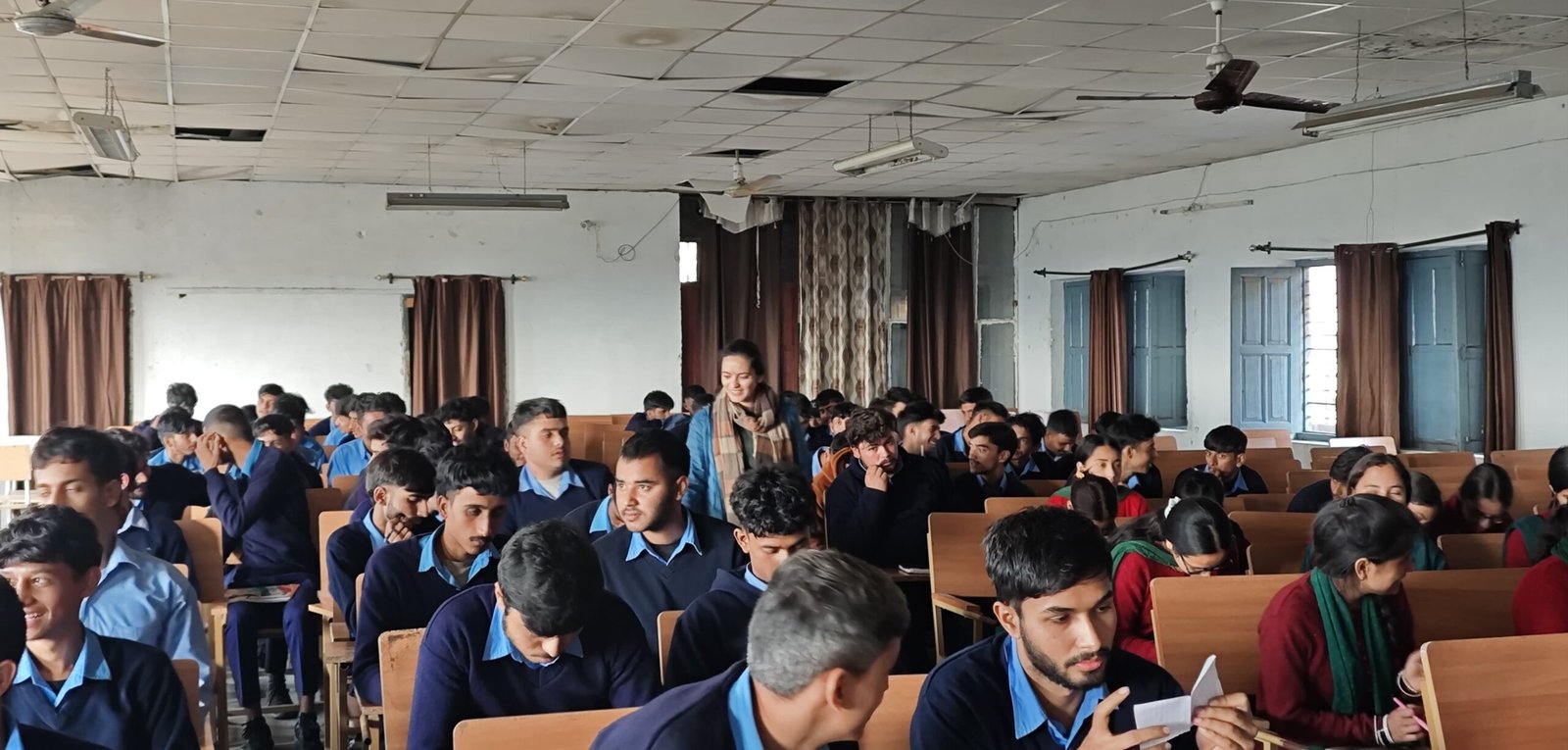
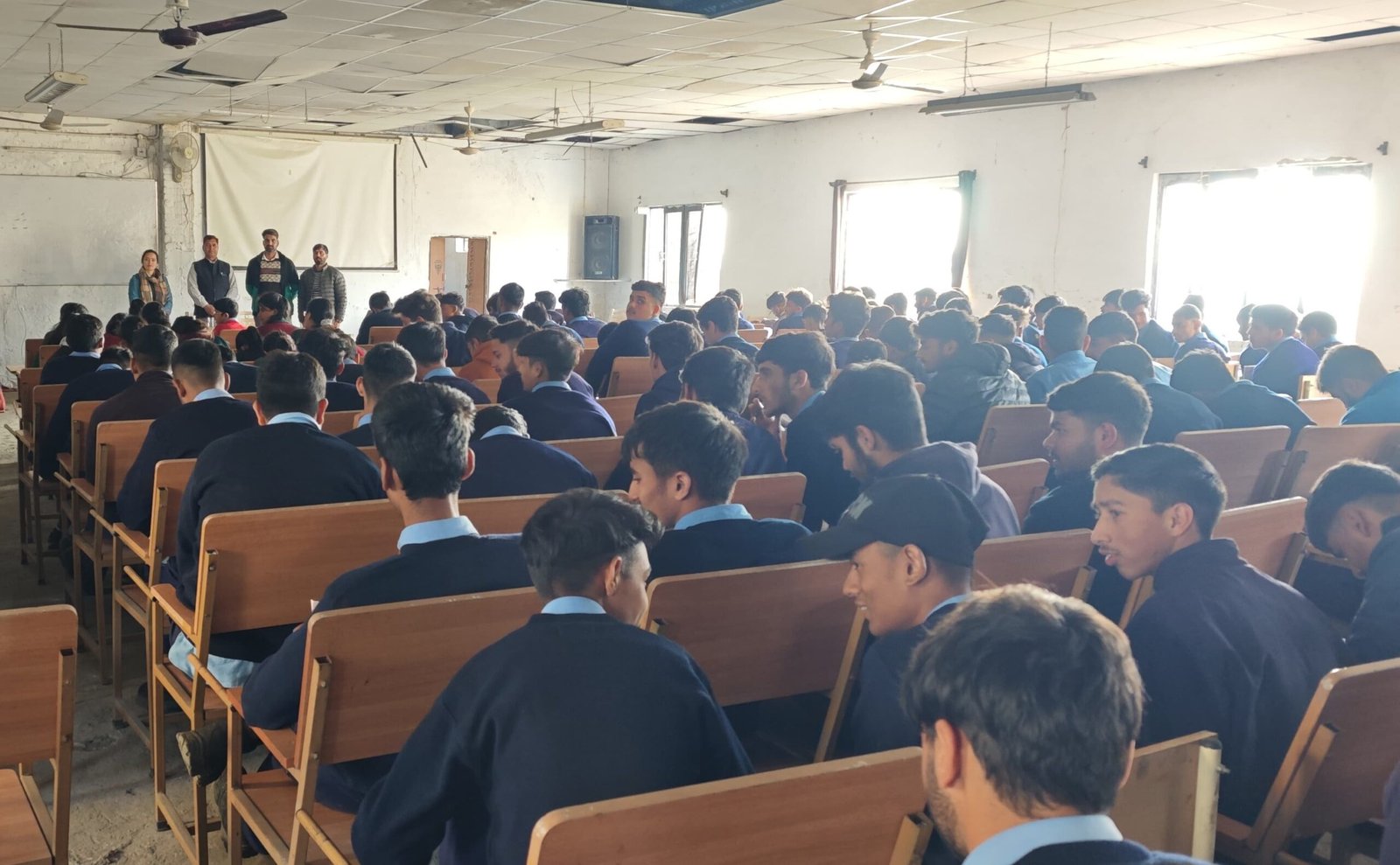
Education and vocational training play a critical role in recovery and mental well-being. Learning builds structure, restores routine, and creates a sense of progress. Skill development empowers individuals to regain control over their lives and envision a future beyond survival.
For those recovering from mental health challenges or addiction, vocational engagement reduces relapse risk by fostering responsibility, self-worth, and social connection. Education and skills are not merely economic tools, they are instruments of psychological resilience and dignity.
Our Focus on Skill Development
and Learning Pathways
The Trust’s educational and vocational development efforts focus on practical, accessible learning pathways that align with local realities and individual capacities. These initiatives are designed to support individuals at different stages of life, whether they are returning to education, learning new skills, or rebuilding employability after prolonged disruption.
Skill development programs aim to emphasize relevance, adaptability, and sustainability, ensuring that learning translates into real-world opportunities rather than certificates without value.
Supporting Youth, Adults,
and Vulnerable Groups
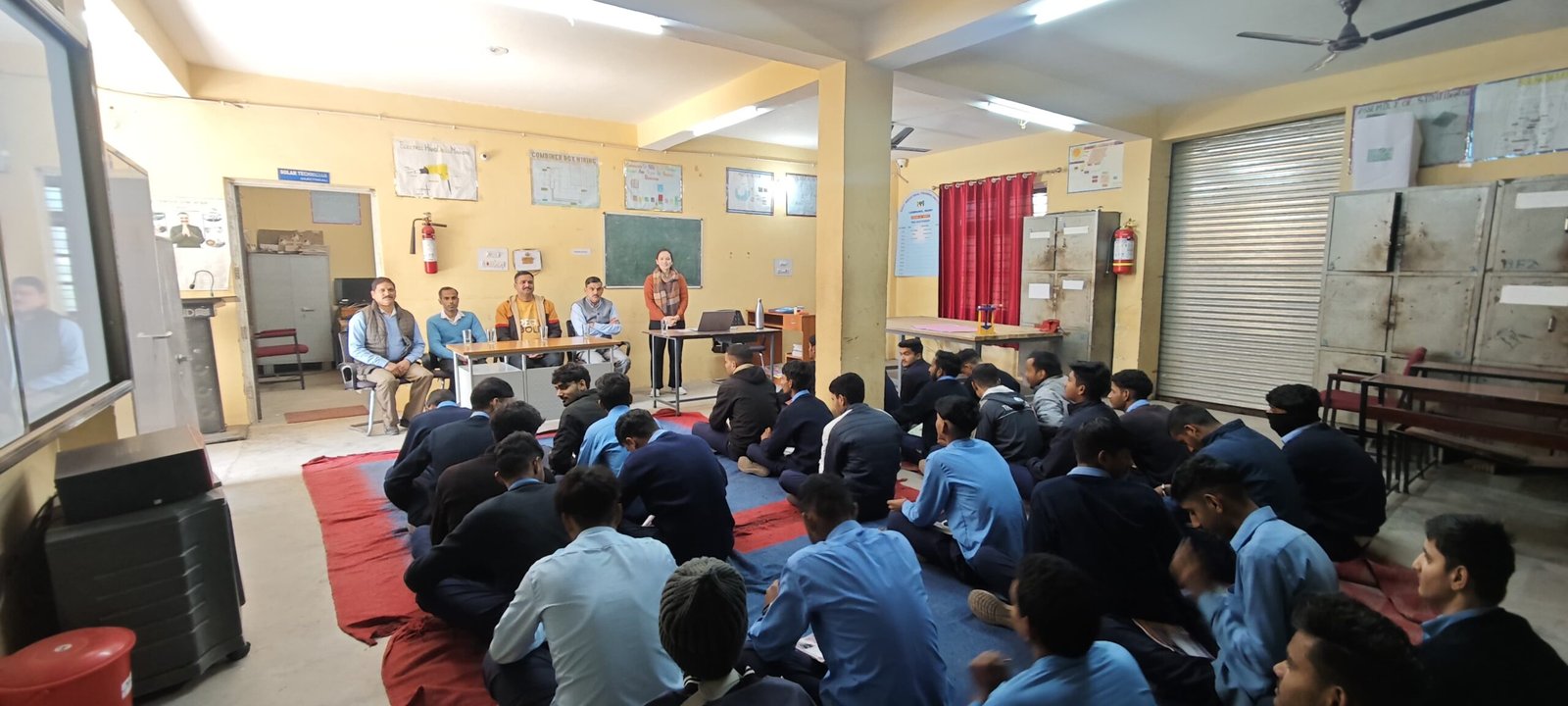
Educational and vocational initiatives under the Trust are intended to support a wide range of individuals, including youth facing educational disruption, adults seeking reskilling after recovery, and individuals from vulnerable backgrounds who lack access to formal training.
Special attention is given to those whose mental health challenges or recovery journeys have affected their confidence or ability to engage in traditional learning environments. Supportive and flexible approaches help participants learn at their own pace without fear of judgment or failure.
Linking Education, Employment,
and Social Reintegration
Education and vocational development are most effective when linked with real opportunities for application and reintegration. The Trust envisions pathways that connect learning with employment readiness, entrepreneurship, or community-based livelihoods.
By aligning skills training with local economic contexts and emerging opportunities, these initiatives help individuals transition from dependence to self-reliance. Reintegration into the workforce or productive engagement strengthens both individual well-being and community resilience.
Ethical, Inclusive, and
Responsible Development
The Trust is committed to ensuring that educational and vocational initiatives remain ethical, inclusive, and non-exploitative. Programs are designed to be accessible, respectful, and free from discrimination. Participation is voluntary, and support is provided without pressure or unrealistic expectations.
“Education is treated not as a tool for control, but as a means of empowerment and choice.”