Ayurveda vs. Modern Medicine: Why a Holistic Approach Matters
In the contemporary landscape of healthcare, humanity stands at a crossroads between two distinct paradigms. When weighing Ayurveda vs modern medicine, we see a profound contrast in methodologies. On one side lies modern medicine, with its technological precision, advanced diagnostics, and life-saving interventions. On the other stands Ayurveda, the ancient “Science of Life,” offering an integrated vision of health that encompasses body, mind, behavior, and consciousness.

Modern medicine has transformed emergency care, surgery, infection control, and diagnostics. Yet despite these advances, chronic diseases, lifestyle disorders, stress-related illness, and mental health challenges continue to rise. Ayurveda approaches this problem from a different direction. It does not ask only what disease a person has, but why the person has lost balance in the first place.
Understanding why a holistic approach matters requires examining how these two systems view the human being, disease, and healing itself.
Man as Machine vs. Man as Microcosm
The most fundamental difference between Ayurveda and modern medicine lies in philosophy. With global health bodies like the World Health Organization (WHO) increasingly recognizing the value of traditional systems, this philosophical bridge is more important than ever.
Modern medicine largely views the body as a biological machine. Health is defined by statistical norms, laboratory values, and imaging results. Disease is identified when something measurable deviates from those norms. Treatment focuses on correcting or suppressing the faulty part.
Ayurveda views the human being as a microcosm of nature. The same forces that govern the universe operate within the body. Health is not a fixed number or value, but a dynamic state of harmony unique to each individual. What is normal for one person may be abnormal for another.
Ayurveda does not divide experience into subjective and objective. Sensations, emotions, digestion, sleep, and mental clarity are considered valid clinical data. Observation, intuition, and lived experience are part of diagnosis, not distractions from it.
This difference is crucial. When healthcare focuses only on averages and measurable abnormalities, early imbalances are often ignored. A person may be “clinically normal” yet feel exhausted, anxious, inflamed, or disconnected. Ayurveda recognizes this stage as the beginning of disease, not the absence of it.
Constitutional Medicine vs. Disease-Centered Medicine
Modern medicine is largely disease-centered. Diagnosis is made after a condition manifests clearly, often when structural damage or biochemical disruption is already present. Treatment targets the disease entity itself.
Ayurveda is constitution-centered. It recognizes three fundamental biological principles that govern all bodily and mental processes: Vata, Pitta, and Kapha. Every individual is born with a unique balance of these forces, known as their constitutional nature.
Health exists when these forces remain in harmony relative to one’s constitution. Disease begins when they deviate from that balance, long before laboratory abnormalities appear. Establishing an Ayurvedic morning routine is an excellent way to maintain this constitutional balance daily.
Ayurvedic diagnosis focuses on detecting subtle changes in digestion, energy, elimination, sleep, emotional patterns, and sensory function. This allows intervention at a stage where disease can still be prevented, rather than managed after it has fully developed.
A holistic approach matters because prevention is always more effective, less invasive, and less costly than correction.
Digestion as the Foundation of Health
One of the clearest contrasts between the two systems appears in nutrition.
Modern medicine evaluates food primarily through its chemical composition: calories, macronutrients, vitamins, and minerals. It assumes that if nutrients are consumed, they will be utilized.
Ayurveda places digestion at the center of health. It teaches that nourishment depends not on what is eaten, but on how well it is digested. This digestive capacity is governed by Agni, the biological fire responsible for transformation and metabolism.
When digestion is weak or irregular, even the most nutritious food produces toxic residue known as Ama. Ama obstructs bodily channels, impairs immunity, and becomes the root cause of chronic disease.
From this perspective, many modern conditions such as arthritis, fatigue, skin disorders, metabolic disease, and autoimmune patterns are not isolated problems, but consequences of long-term digestive imbalance. Learning to heal your gut naturally is therefore foundational to healing the entire system.
Suppression vs. Elimination
Modern medicine excels at symptom control. Painkillers reduce pain, antacids suppress acid, sedatives quiet anxiety, and anti-inflammatory drugs reduce swelling. These interventions are often necessary, especially in acute situations.
Ayurveda takes a different long-term approach. Its goal is not merely to suppress symptoms, but to eliminate the root cause of imbalance and restore natural regulation.
This is done through two complementary strategies:
- Balancing therapies: which strengthen digestion, metabolism, and tissue function
- Cleansing therapies: which remove accumulated toxins and excess biological forces from the body
By removing the underlying cause rather than masking its expression, Ayurveda aims to prevent recurrence and progression of disease. A holistic approach matters because symptom suppression alone often leads to dependency, side effects, or deeper imbalance over time.
The Mind-Body Continuum
Modern medicine has only recently begun to fully acknowledge the impact of stress, emotions, and mental states on physical health. Ayurveda has always treated them as inseparable.
According to Ayurveda, emotional patterns directly influence biological function. Fear and anxiety disturb nervous regulation, anger inflames metabolic processes, and attachment or lethargy slows circulation and digestion.
Mental health is not treated as separate from physical health. Disturbed digestion affects mood and clarity. Emotional suppression affects immunity and metabolism. Healing must address both simultaneously.
A holistic approach matters because no medication can substitute for emotional regulation, mental clarity, and nervous system balance—which is why professional guidance through platforms like Vaishalya Healing counseling services becomes a vital part of the recovery journey.
The Role of Yoga in Holistic Healing
Ayurveda and Yoga are complementary sciences. Ayurveda provides the understanding of health and imbalance, while Yoga provides practical tools for self-regulation.
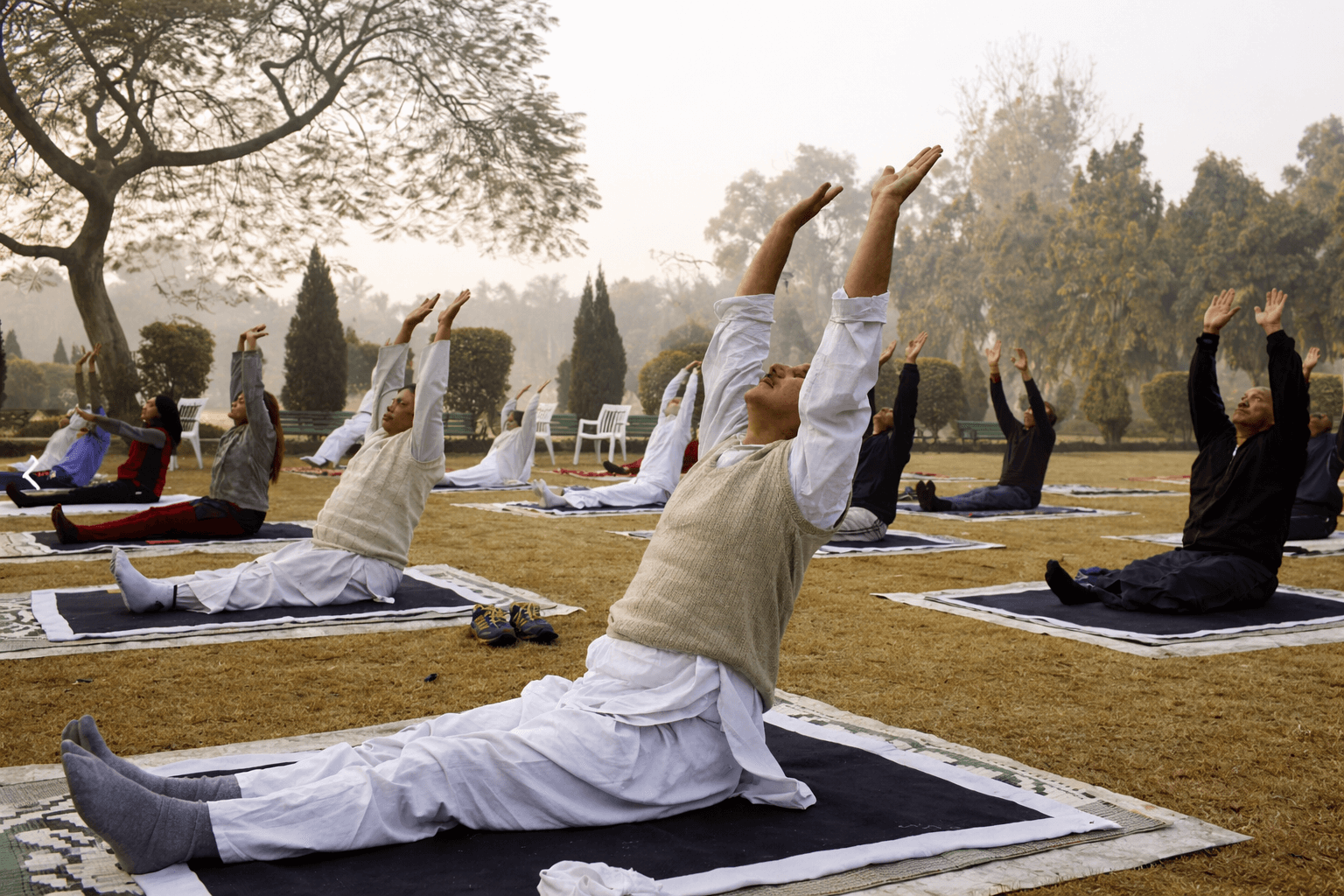
Yoga postures support circulation, hormonal balance, detoxification, and nervous system stability. Breathing practices regulate the autonomic nervous system and mental fluctuations. Ethical and behavioral principles cultivate emotional balance and resilience.
Unlike passive treatment models, practicing targeted yoga for stress and anxiety empowers individuals to participate actively in their healing. This sense of agency is essential for recovery in chronic illness, addiction, anxiety, and lifestyle disorders.
Chronic Conditions: Ayurveda vs Modern Medicine Compared
In digestive disorders, modern medicine often manages symptoms with acid suppressants or laxatives. Ayurveda identifies the underlying digestive pattern and corrects it through diet, herbs, and routine.
In anxiety and stress disorders, modern medicine relies heavily on sedatives and therapy. Ayurveda addresses nervous imbalance through lifestyle regulation, nourishment, breathing, and grounding therapies.
In cardiovascular disease, modern medicine focuses on structural correction and biochemical control. Ayurveda adds attention to emotional strain, metabolic congestion, and long-term lifestyle factors.
The holistic approach does not reject modern medicine. It completes it.
Integration: The Future of Healthcare
The future of healing does not lie in choosing one system over another. In the ongoing dialogue of Ayurveda vs modern medicine, the ultimate answer lies in integration. Modern medicine is indispensable for emergencies, surgery, and diagnostics. Ayurveda is essential for prevention, chronic disease management, mental health, rehabilitation—including upcoming specialized initiatives like Vishalya Wellness for women's recovery—and long-term vitality.
A truly holistic approach respects technology without losing wisdom, precision without losing humanity, and science without losing meaning.