How Ayurveda and Yoga Work Together for Complete Mind-Body Balance
Table of Contents
- Part 1: A Shared Philosophical Foundation
- Part 2: The Subtle Body as the Bridge
- Part 3: Yoga Asanas as Ayurvedic Medicine
- Part 4: Pranayama as the Central Integrator
- Part 5: Agni, Digestion, and Disease Prevention
- Part 6: Mental Hygiene and Emotional Balance
- Part 7: Cleansing and Resetting the System
- Part 8: Diet and Daily Rhythm
- Part 9: Ayurveda and Yoga Together in Real Conditions
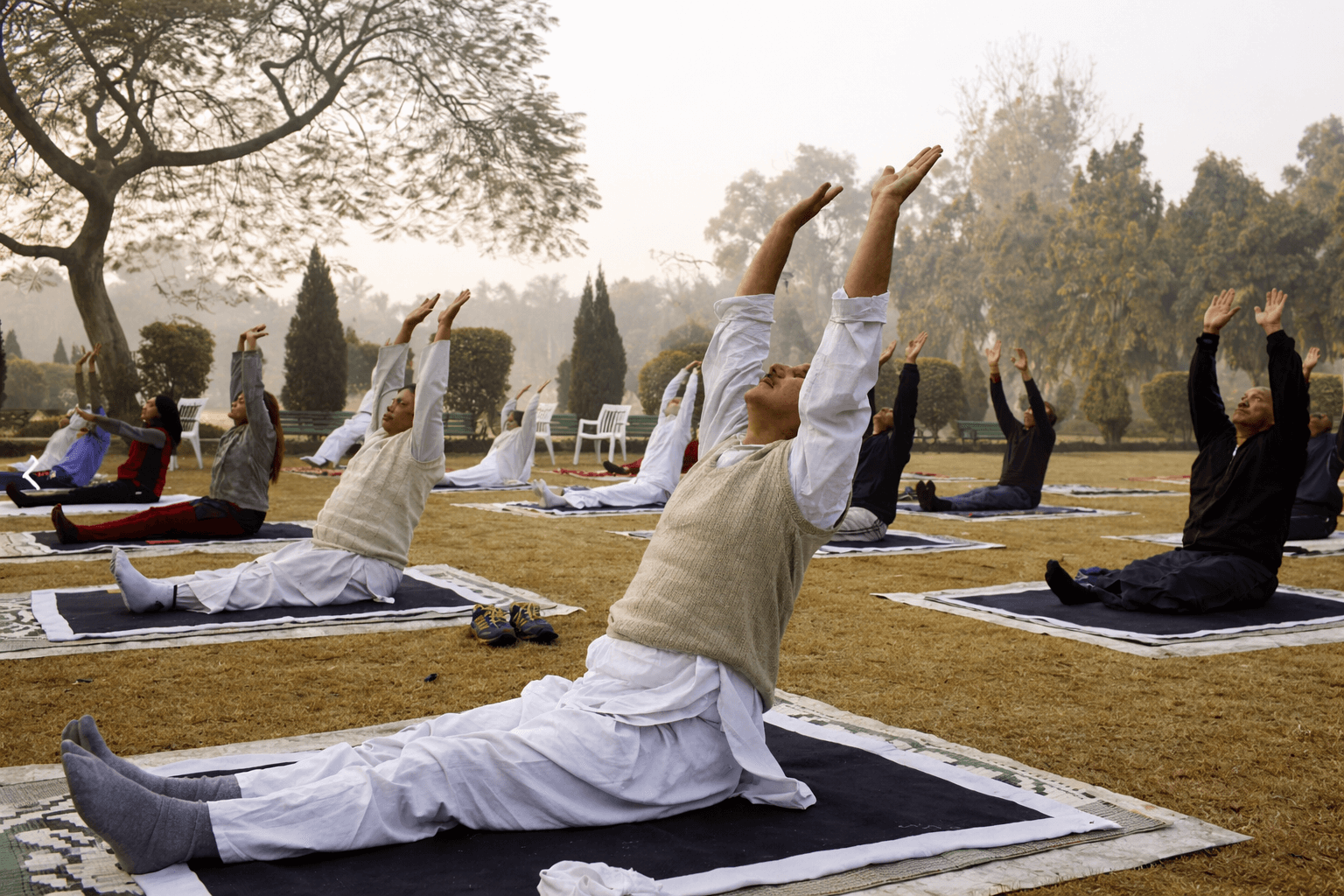
In the vast body of Vedic knowledge, two sciences stand as inseparable pillars of human well-being. When considering ayurveda and yoga together, it becomes clear they were never meant to be separated. While modern interpretations often divide them, treating Ayurveda as a system of medicine and Yoga as a physical or fitness practice, classical wisdom never viewed them as independent. They arise from the same philosophical source, pursue the same ultimate aim, and address the human being as an integrated whole of body, mind, and consciousness.
Ayurveda is the Science of Life, concerned with maintaining balance in the body and mind so that life may be lived with vitality, clarity, and purpose. Yoga is the science of inner union, guiding the individual toward self-mastery and liberation through disciplined awareness. Ayurveda prepares the ground by restoring health and harmony, while Yoga leads the individual beyond limitation toward higher realization. One cannot fully succeed without the other.
When practiced in harmony, they form a complete system of healing and transformation, one that global health organizations like the National Center for Complementary and Integrative Health are increasingly studying for their profound benefits.
Part 1: A Shared Philosophical Foundation
Both Ayurveda and Yoga arise from the same cosmological understanding of existence. Reality is seen as the interaction between consciousness and nature, expressed through the dynamic play of forces within the human being.
The Three Gunas and Mental Balance
All mental and emotional states are governed by three fundamental qualities known as Gunas:
- Sattva represents clarity, harmony, balance, and awareness. It is the natural state of health and inner stability.
- Rajas represents activity, ambition, restlessness, and emotional turbulence.
- Tamas represents inertia, heaviness, confusion, and stagnation.
Illness, whether physical or psychological, arises when Rajas and Tamas overpower Sattva. Ayurveda works through diet, herbs, and lifestyle to restore Sattva at the physiological level. Yoga works through posture, breath, and meditation to establish Sattva at the mental and energetic level. Together, they create sustainable balance rather than temporary relief.
The Five Elements in the Human System
Both sciences recognize the body as a composition of five elemental forces: space, air, fire, water, and earth. Ayurveda organizes these elements into the three Doshas that govern biological and psychological function. Understanding your unique Ayurvedic body type is essential here. Yoga uses posture, breath, and concentration to stabilize and refine these same elemental forces. When the elements are balanced, the body becomes resilient and the mind becomes steady.
Part 2: The Subtle Body as the Bridge Between Body and Mind
The integration becomes most evident in their shared understanding of the subtle body, the energetic framework that links physical matter with mental awareness.
Prana and Vital Regulation
Prana is the life force that animates the body and governs all movement, sensation, and perception. In Ayurveda, Prana is the intelligence behind Vata Dosha, responsible for nervous system function and mental activity. In Yoga, Pranayama is the direct regulation of this force.
Both systems recognize that disturbed Prana leads to anxiety, digestive disorders, insomnia, emotional instability, and chronic fatigue. Restoring the flow of Prana is therefore central to both healing and spiritual growth.
Nadis and Chakras
Energy flows through subtle channels known as Nadis. When these channels are blocked, physical disease and mental distress arise. Yoga purifies these pathways through breath and awareness, while Ayurveda removes blockages through digestion correction, detoxification, and nourishment.
As energy rises through the central channel, mental clarity deepens, emotional reactivity reduces, and inner stability becomes natural rather than forced.
Part 3: Yoga Asanas as Ayurvedic Medicine
Yoga postures are not generic exercises. From an Ayurvedic perspective, each Asana functions as a targeted therapeutic intervention.
For Vata Imbalance
Vata-related disorders include anxiety, restlessness, dryness, joint pain, and nervous exhaustion.
- Grounding standing poses restore stability
- Forward bends calm the nervous system
- Inversions support brain circulation and hormonal balance
- Deep relaxation is essential for nervous recovery
For Pitta Imbalance
Pitta-related disorders include anger, acidity, inflammation, and irritability.
- Cooling inversions soothe the nervous system
- Forward bends reduce internal heat
- Gentle twists support liver detoxification
- Competitive or aggressive practice is avoided
For Kapha Imbalance
Kapha-related disorders include lethargy, depression, congestion, and weight gain.
- Backbends open the chest and lungs
- Dynamic sequences generate heat
- Strong standing poses reduce stagnation
- Digestive-stimulating postures improve metabolism
This personalized approach ensures that incorporating yoga for stress and anxiety supports healing rather than aggravating imbalance.
Part 4: Pranayama as the Central Integrator
Pranayama directly influences digestion, metabolism, hormonal balance, and mental clarity.
- Heating breaths support sluggish digestion and low energy
- Cooling breaths calm inflammation and emotional intensity
- Alternate nostril breathing restores nervous system equilibrium
- Rhythmic breathing stabilizes emotional fluctuations
From an Ayurvedic standpoint, Pranayama is one of the most effective tools for balancing Doshas and restoring Agni, the digestive and metabolic fire.
Part 5: Agni, Digestion, and Disease Prevention
Both Ayurveda and Yoga recognize impaired digestion as the root of most chronic disorders. When digestion weakens, toxins accumulate and circulate throughout the system, affecting joints, nerves, mood, and immunity. Ayurveda addresses this through dietary regulation, herbs, and cleansing practices. Yoga supports digestion through abdominal locks, postures, and breath techniques that stimulate internal organs and improve circulation. When Agni is strong, the body resists disease naturally and mental clarity improves without effort.
Part 6: Mental Hygiene and Emotional Balance
Ayurveda and Yoga agree that emotional imbalance precedes physical illness.
- Fear and instability reflect Vata disturbance
- Anger and intensity reflect Pitta disturbance
- Attachment and lethargy reflect Kapha disturbance
Yoga practices such as Pratyahara, meditation, and conscious relaxation retrain the mind to disengage from compulsive sensory stimulation. Ayurveda supports this process by stabilizing the nervous system and nourishing mental tissues through diet and lifestyle. Together, they address the root causes of anxiety, depression, and psychosomatic illness. For profound emotional support, seeking guidance from Vaishalya Healing counseling services can be an invaluable step in this journey.
Part 7: Cleansing and Resetting the System
Deep-seated imbalances require purification. Yoga employs internal cleansing techniques to remove stagnation and improve energy flow. Ayurveda employs structured detoxification to eliminate accumulated Doshas and metabolic waste. These approaches, when applied responsibly, allow the system to reset rather than merely suppress symptoms.
Part 8: Diet and Daily Rhythm
No healing system can succeed without daily discipline. A Sattvic diet supports mental clarity and nervous system stability. A consistent daily routine aligns biological rhythms with natural cycles, improving sleep, digestion, and emotional resilience. Yoga practice is most effective when supported by proper nutrition and lifestyle alignment.
Part 9: Ayurveda and Yoga Together in Real Conditions
Whether addressing joint pain, respiratory disorders, digestive imbalance, or chronic stress, utilizing ayurveda and yoga together produces the best results. One system prepares the body. The other retrains the mind and energy. Healing becomes durable rather than temporary.
Conclusion
Ayurveda and Yoga are not parallel systems. They are two expressions of the same intelligence, addressing different layers of the human experience. Ayurveda restores balance to the body and mind. Yoga refines awareness and liberates consciousness.
Practicing ayurveda and yoga together offers a complete path, one that does not merely treat disease but cultivates resilience, clarity, and inner peace. In a world driven by fragmentation and quick fixes, their integration offers something rare and essential: lasting harmony between body, mind, and life itself. For women seeking comprehensive recovery from burnout or lifestyle disorders, specialized holistic centers like Vishalya Wellness beautifully integrate these timeless practices into their core philosophy.