How to Create a Sattvic Diet Plan for Holistic Healing and Longevity
Table of Contents
- Part 1: The Philosophy of Food and Consciousness
- Part 2: Core Components of a Sattvic Diet Plan
- Part 3: Foods to Limit or Avoid
- Part 4: Adapting to Your Constitution
- Part 5: Digestion and the Role of Agni
- Part 6: The Practice of Conscious Eating
- Part 7: Breath, Diet, and Mental Balance
- Part 8: A Gentle 7-Day Meal Framework
In the ancient traditions of the East, food is not merely fuel for the body. It is regarded as a sacred force, a builder of consciousness, and the very substance from which life unfolds. Ayurveda and Yogic philosophy teach that nourishment influences not only physical strength but also mental clarity, emotional stability, and spiritual awareness.
According to integrative health principles, including frameworks studied by the National Institutes of Health (NIH) regarding mind-body practices, dietary choices directly impact neurological function. A Sattvic approach is therefore not designed only for disease prevention or weight management. It is a way of living that supports holistic healing, inner balance, and longevity, allowing the body and mind to function in harmony with natural laws.
In the modern world, dietary discussions often revolve around calories, proteins, and carbohydrates. While these factors have value, Ayurveda looks deeper. It understands that all food carries a subtle influence on the mind through the three Gunas: Sattva (clarity and harmony), Rajas (activity and agitation), and Tamas (inertia and heaviness).
A life oriented toward healing and longevity requires gradually reducing Tamasic heaviness and Rajasic overstimulation, while cultivating the calm intelligence of Sattva. This guide explains how to create a sattvic diet plan that supports physical vitality, mental clarity, emotional resilience, and long-term well-being.
Part 1: The Philosophy of Food and Consciousness
Ayurveda begins with a foundational principle: the mind is formed from the subtlest essence of food. Food does not only build muscles and bones. Through digestion, its finest components nourish the nervous system, emotions, and thought patterns.
When digestion is strong and food is pure, the mind becomes clear and stable. When digestion is weak or food is heavy, stale, or incompatible, the mind becomes restless, dull, or emotionally imbalanced. For individuals seeking profound emotional balance alongside dietary changes, professional support through Vaishalya Healing counseling services can be an essential pillar of recovery.
The Three Gunas and Their Influence on Diet
Every individual expresses a combination of the three Gunas. Diet plays a major role in determining which quality dominates.
Sattvic Foods
Sattvic foods are fresh, light, nourishing, and life-supporting. They promote clarity, calmness, compassion, and mental steadiness. A Sattvic approach supports healing, meditation, emotional balance, and longevity.
Rajasic Foods
Rajasic foods are stimulating and activating. While they can provide energy, excess Rajasic intake leads to agitation, irritability, restlessness, and emotional volatility.
Tamasic Foods
Tamasic foods are heavy, stale, overly processed, or intoxicating. They dull the nervous system, weaken digestion, and contribute to lethargy, confusion, and emotional heaviness.
Part 2: Core Components of a Sattvic Diet Plan
A true sattvic diet plan emphasizes foods that are freshly prepared, easy to digest, and rich in Prana (life energy).
Dairy and Nourishing Fats
When sourced ethically and consumed appropriately, dairy plays a central role in traditional Sattvic nutrition.
- Milk, taken warm and properly spiced, nourishes the nervous system and supports emotional calm.
- Ghee strengthens digestion, lubricates tissues, supports memory, and stabilizes mental function.
- Buttermilk, prepared correctly, improves digestion and prevents heaviness.
Fruits and Vegetables
Fresh fruits and vegetables supply natural hydration, minerals, and subtle energy.
- Sweet fruits like grapes, apples, pomegranates, and mangoes support mental balance.
- Steamed vegetables are preferred over raw for better digestion and nervous system support.
- Sprouts and greens provide vitality when digestion is strong.
Whole Grains
Whole grains offer grounding and stability.
- Rice, wheat, oats, and millet are commonly used.
- Kicharee, a combination of mung dal and rice, is considered one of the most balanced and healing meals in Ayurveda.
Nuts and Seeds
Soaked or lightly prepared nuts nourish the brain and nerves.
- Almonds, sesame seeds, walnuts, and sunflower seeds support cognitive strength and emotional resilience.
Natural Sweeteners
Sweet taste supports emotional nourishment when used mindfully.
- Jaggery, raw honey, and fruit sugars are preferred.
- Excess refined sugar is avoided due to its destabilizing effect on energy and mood.
Digestive Spices
Certain spices support digestion without overstimulation.
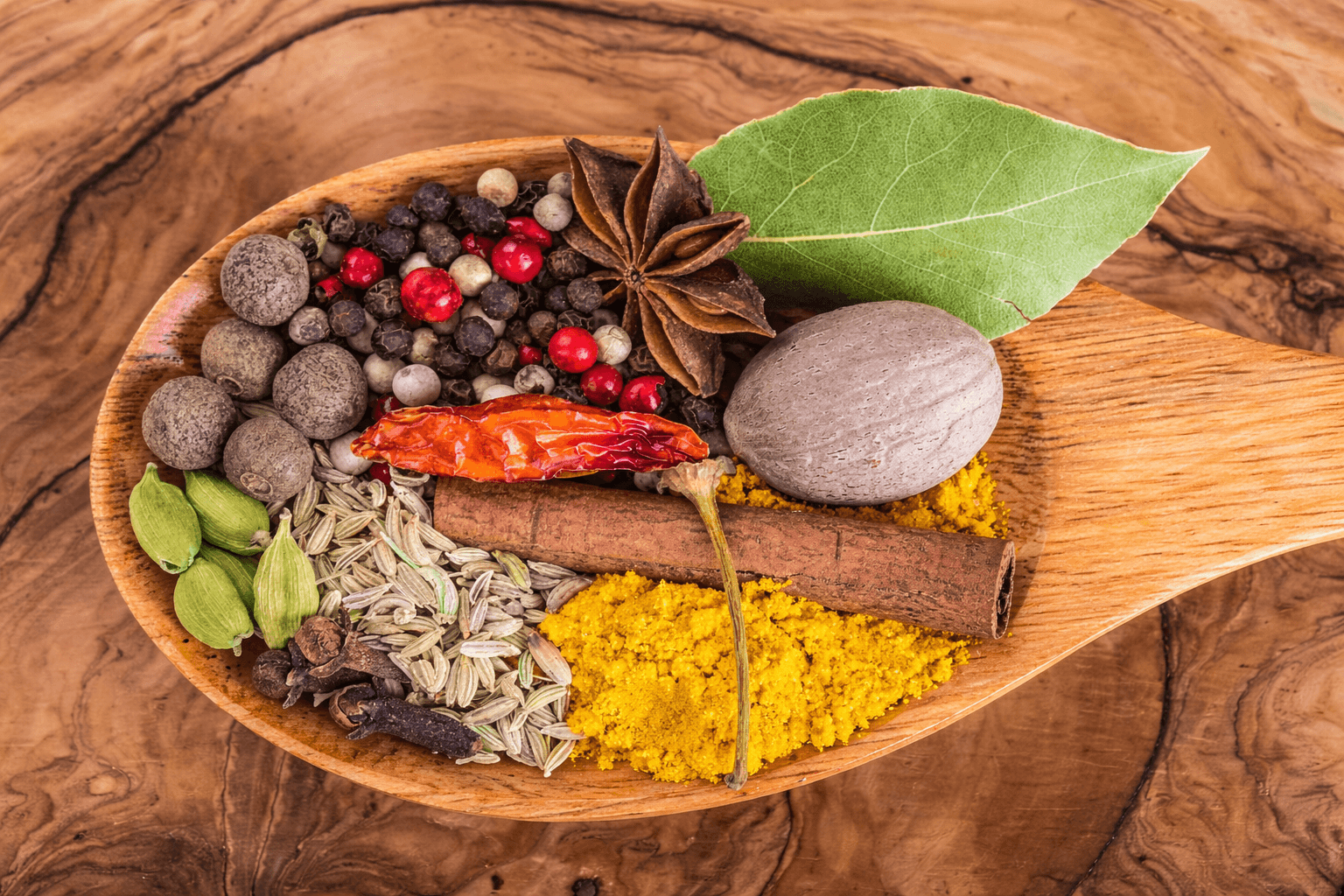
- Ginger, turmeric, coriander, fennel, cardamom, cinnamon, and saffron help maintain digestive balance.
- Turmeric plays a key role in inflammation control and tissue repair.
Part 3: Foods to Limit or Avoid for Mental and Emotional Healing
For individuals seeking holistic healing, certain foods can interfere with digestion, emotional stability, and mental clarity.
- Highly processed, stale, or preserved foods
- Excessive stimulants such as strong caffeine or alcohol
- Overly heavy, incompatible food combinations
- Late-night eating that disrupts digestion and sleep
The emphasis is not on restriction, but on supporting the nervous system and digestion, especially during recovery or long-term healing phases.
Part 4: Adapting to Your Constitution
Although Sattvic food is broadly balancing, individual constitutions require adjustments. This is why understanding your Ayurvedic body type is critical before making sweeping dietary changes.
Vata-Dominant Individuals
Need warmth, grounding, and nourishment. Emphasize cooked foods, ghee, milk, grains, and soups. Avoid excessive raw or dry foods.
Pitta-Dominant Individuals
Need cooling and moderation. Emphasize sweet fruits, cooling grains, and gentle spices. Avoid excess heat, spice, and acidity.
Kapha-Dominant Individuals
Need lightness and stimulation. Emphasize vegetables, lighter grains, and warming spices. Reduce heavy dairy, excess oils, and sweets.
Personalization ensures the diet supports healing rather than creating imbalance.
Part 5: Digestion and the Role of Agni
No diet supports healing if digestion is weak. Agni, the digestive fire, determines how well nutrients are absorbed and toxins are eliminated. Signs of poor digestion include heaviness, fatigue, mental fog, emotional dullness, and coating on the tongue. In addition to a clean diet, prioritizing methods for healing your gut naturally protects Agni. Moderation in quantity, regular meal timings, and mindful eating are essential for maintaining digestive strength and mental clarity.
Part 6: The Practice of Conscious Eating
How food is eaten matters as much as what is eaten.
- Eat in a calm environment
- Avoid screens and distractions
- Chew thoroughly
- Maintain regular meal timings
- Avoid overeating or emotional eating
Conscious eating strengthens digestion, improves emotional regulation, and supports long-term healing.
Part 7: Breath, Diet, and Mental Balance
Diet and breath are deeply interconnected. Heavy or impure food burdens the nervous system and disrupts breathing patterns. A lighter, Sattvic diet allows energy to be used for mental clarity rather than digestion. Simple breathing practices help stabilize the mind and support emotional balance, especially for those dealing with anxiety, stress, or recovery.
Part 8: A Gentle 7-Day Meal Framework
A simple weekly structure can help individuals transition gradually into a sattvic diet plan.
- Breakfasts emphasize warmth and nourishment
- Lunch remains the main meal
- Dinner is light and early
- One gentle cleansing day supports digestion and mental reset
This approach supports both physical vitality and mental calm.
Conclusion
Implementing a sattvic diet plan is not a temporary intervention. It is a conscious lifestyle choice that supports holistic healing, mental clarity, emotional resilience, and longevity. By aligning food, digestion, breath, and awareness, individuals move toward a state of inner balance rather than constant correction.
Healing becomes sustainable when nourishment supports both the body and the mind. For adult women managing chronic stress, burnout, or seeking a structured recovery environment, holistic retreats like Vaishalya Wellness seamlessly integrate these dietary principles into their care. Through steady refinement, awareness, and compassion toward oneself, the Sattvic path offers not just health, but a deeper sense of harmony with life itself.