Can’t Sleep? Try Yoga Nidra and Ayurvedic Herbs for Insomnia
In the stillness of the night, when the world sleeps, millions lie awake. Minds race. Bodies remain tense. Sleep feels distant and fragile. Insomnia is not merely a nighttime inconvenience. Global health organizations, including the Sleep Foundation, recognize it as a signal of deep internal imbalance that affects every biological system.
Modern life has disrupted the natural rhythms that once guided sleep. Artificial lighting, excessive screen exposure, chronic stress, and constant mental stimulation keep the nervous system in a state of alertness long after the body needs rest.
Ayurveda and Yoga view sleep not as inactivity, but as a vital biological and psychological process where the body repairs itself and the mind resets. When sleep is disturbed, the imbalance affects emotional stability, digestion, immunity, and mental health.
This guide explores exactly how to use ayurvedic remedies for insomnia, offering practical, time-tested solutions using Yoga Nidra, calming herbs, breathwork, and daily routines to restore deep, natural sleep.
The Ayurvedic Physiology of Sleep
Ayurveda describes health as resting on three pillars: nourishment, sleep, and balanced use of energy. Among these, sleep plays a central role in maintaining mental clarity, emotional stability, and physical recovery.
Sleep is governed primarily by Kapha Dosha and the mental quality of Tamas, which bring heaviness, grounding, and rest. When these qualities are disturbed, sleep becomes light, broken, or absent.
How Dosha Imbalance Causes Insomnia
- Vata imbalance: Vata governs the nervous system and movement. When aggravated, it causes restlessness, anxiety, irregular sleep, and difficulty falling asleep.
- Pitta imbalance: Pitta governs metabolism and mental sharpness. Excess Pitta causes overheating, irritability, nighttime awakenings, and intense mental activity during sleep hours.
- Kapha imbalance: Excess Kapha does not usually cause sleeplessness, but leads to dull, heavy sleep that fails to refresh the body.
Understanding Insomnia Types
Understanding your unique body type allows you to identify exactly which dosha is keeping you awake.
Vata-Type Insomnia
- Difficulty falling asleep
- Light, broken sleep
- Early morning awakenings
- Anxiety, fear-based dreams
- Nervous exhaustion
Pitta-Type Insomnia
- Sleep disturbed by overthinking or anger
- Waking between late night hours feeling hot or restless
- Burning sensations, thirst
- Emotionally charged dreams
Kapha-Type Sleep Disturbance
- Excessive sleep without refreshment
- Lethargy despite long sleep duration
- Heaviness and congestion
Correct identification is essential because the remedy must pacify the aggravated Dosha rather than stimulate it. If you find your sleeplessness is driven by deep emotional stress, pairing these insights with professional Vaishalya Healing counseling services can help release the mental tension keeping you awake.
Yoga Nidra: The Science of Conscious Rest
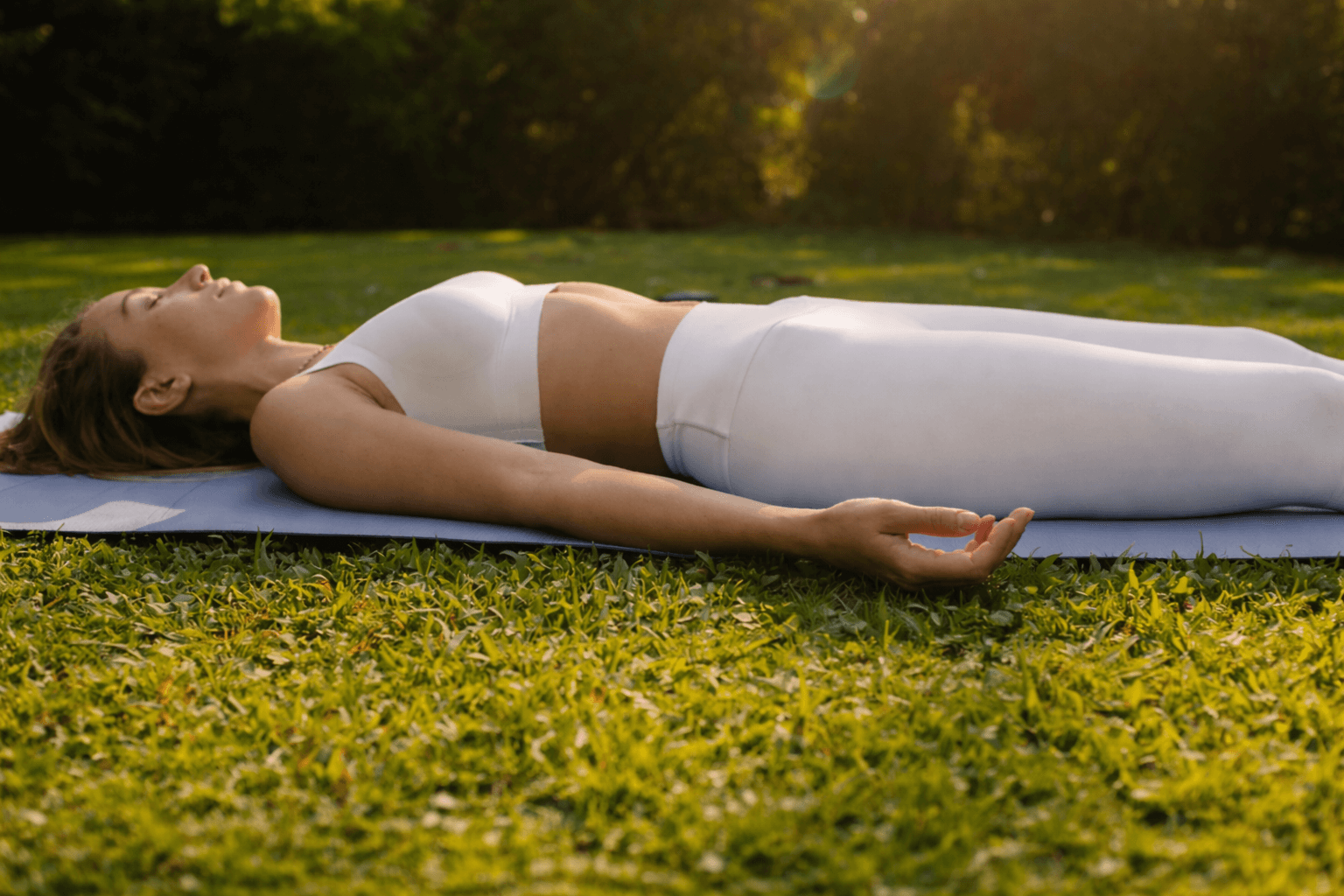
Insomnia is not always solved by medication or forceful sedatives. The deeper issue is often the inability of the nervous system to let go. Savasana, when practiced correctly, becomes the gateway to Yoga Nidra, a state between waking and sleep where the body rests deeply while awareness remains present.
This state allows the nervous system to reset, reducing mental agitation and restoring parasympathetic dominance.
How Savasana Restores Sleep
- Releases muscular tension
- Slows breath and heart rate
- Withdraws sensory input
- Calms cortical overactivity
- Reduces fear and anxiety stored in the nervous system
Practiced daily, it retrains the body to recognize safety and rest.
Practicing Yoga Nidra for Insomnia
Lie comfortably on your back in a quiet space.
- Allow the breath to slow naturally
- Relax facial muscles, jaw, tongue, and eyes
- Withdraw attention from external sounds
- Bring awareness gently to the breath
- Mentally scan the body from feet to head
- Let the mind dissolve into stillness
Practicing for 15 to 20 minutes before bedtime significantly improves sleep onset and depth.
Powerful Ayurvedic Remedies for Insomnia
Unlike modern sleep aids, ayurvedic remedies for insomnia work by nourishing the nervous system rather than artificially suppressing it.
Grounding and strengthening. Ideal for anxiety-driven insomnia.
JatamansiDeeply calming. Supports emotional balance and mental quiet.
NutmegSedative in small amounts. Especially effective in warm milk before bed.
Gotu Kola (Brahmi)Cooling and clarifying. Best for heat-driven mental overactivity.
ValerianStrong calming effect. Useful for severe nervous agitation (used cautiously).
Calamus (Vacha)Clears mental fog and heaviness. Helpful when sleep feels dull or congested.
Yoga Asanas That Prepare the Body for Sleep
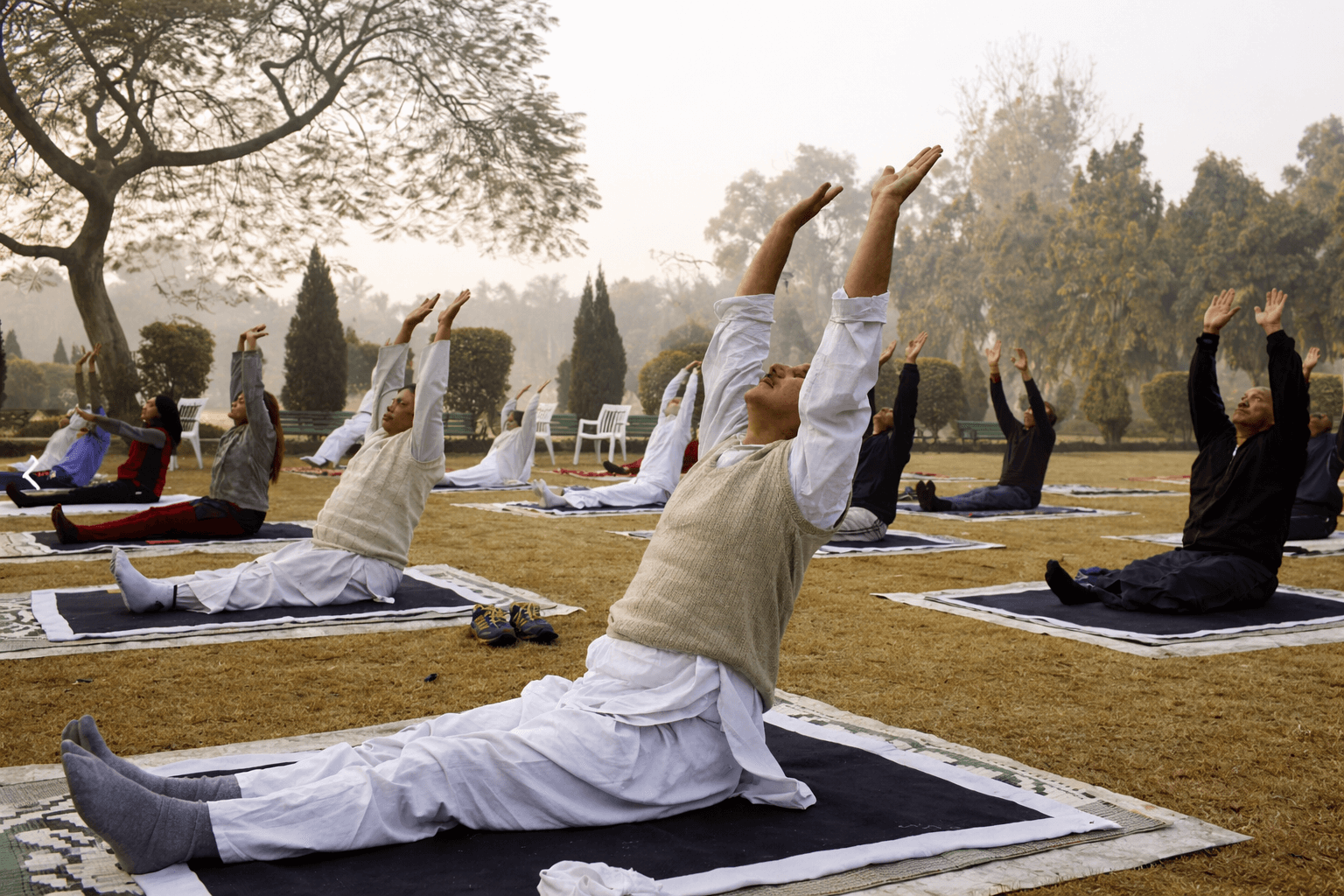
Gentle postures release stored tension and prepare the nervous system for rest. To maximize these ayurvedic remedies for insomnia, combine them with the following practices:
- Forward bends
- Supported inversions
- Gentle twists
- Legs-up-the-wall posture
Avoid stimulating or forceful practices late in the evening.
Pranayama for Calming the Mind
Breathing patterns directly influence sleep quality.
- Nadi Sodhana: Balances the nervous system and reduces mental chatter.
- Ujjayi (gentle): Soothes the nerves when practiced slowly without retention.
- Bhramari: The humming vibration calms the brain and induces drowsiness.
- Left-nostril breathing: Activates cooling, calming pathways ideal for night practice.
Lifestyle Practices That Restore Sleep
Evening Oil Massage
Warm oil applied to the feet and scalp grounds the nervous system and pacifies Vata.
Diet for Sleep
- Warm, cooked meals
- Avoid caffeine and alcohol
- Light dinner before sunset
- Warm milk with calming spices when appropriate
Routine
Sleep thrives on predictability. Fixed sleep and wake times re-train circadian rhythm.
A Simple Bedtime Ritual
Follow consistently for two weeks to support these ayurvedic remedies for insomnia:
- Early, light dinner
- Oil massage and warm bath
- Herbal support if needed
- Gentle yoga and breathing
- Yoga Nidra or Savasana
- Sleep without screens
This holistic approach treats insomnia at its root rather than masking symptoms. For women who find their sleep chronically disrupted by lifestyle burnout or emotional trauma, specialized holistic rehabilitation centers like Vaishalya Wellness offer profound, immersive environments to restore natural biological rhythms and long-term peace.