What Is Your Body Type? Understanding Vata, Pitta, and Kapha
In the vast landscape of health and wellness, few systems offer a perspective as comprehensive and personalized as Ayurveda. Originating in India over 5,000 years ago, Ayurveda is not merely a system of medicine but the science of life. Unlike approaches that define health through generalized standards, Ayurveda recognizes that balance and normality must be understood individually. What is common for the majority may not be healthy for you.
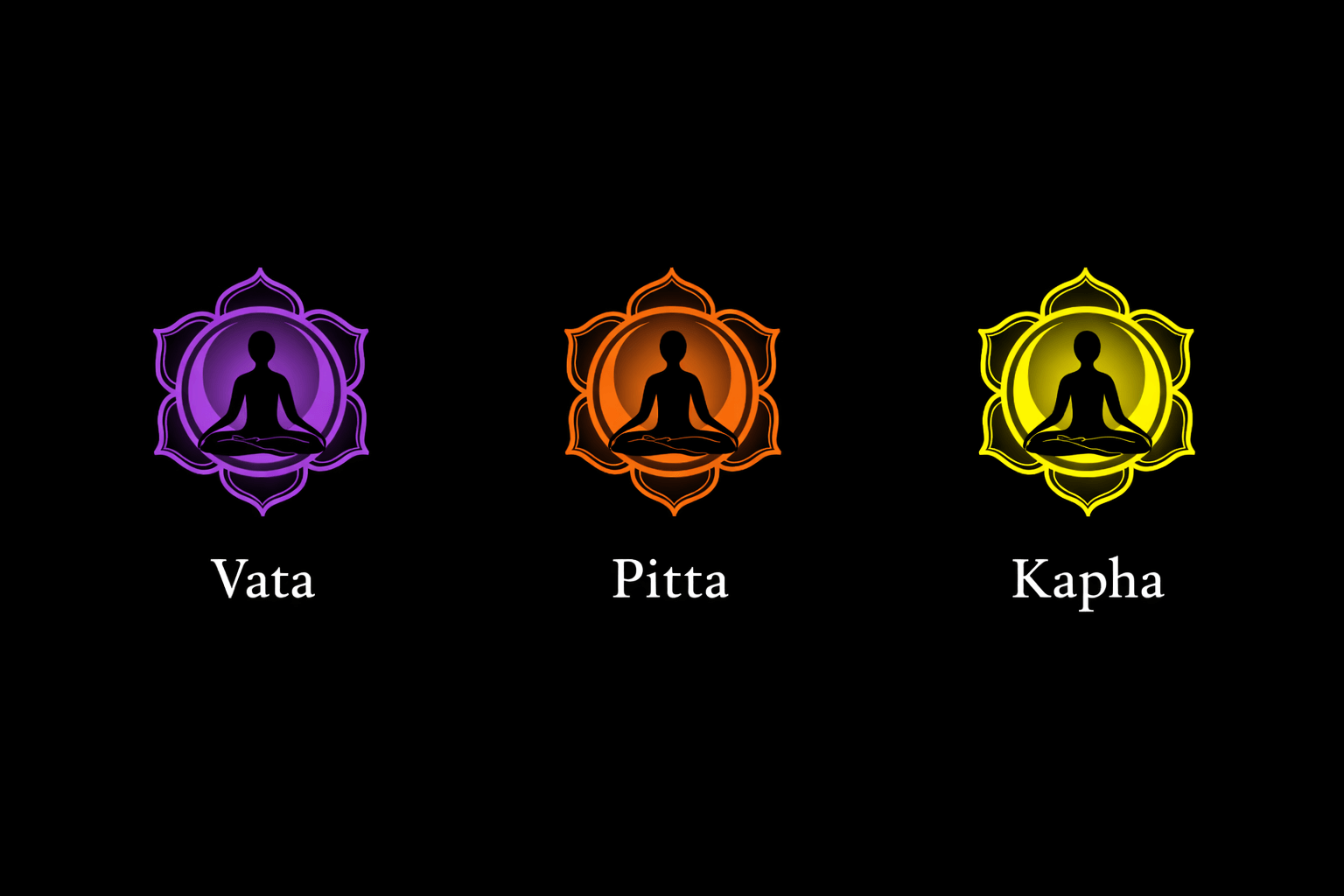
At the heart of this ancient wisdom lies the theory of the Tridosha - the three governing biological principles: Vata, Pitta, and Kapha. These forces regulate all physiological, psychological, and metabolic functions of the body and mind. Understanding your Ayurvedic body type, known as Prakruti, is the foundation for maintaining health, preventing disease, supporting mental balance, and achieving long-term well-being.
This guide explores the principles of Vata, Pitta, and Kapha in depth, helping you understand the language of your own body and mind through the Ayurvedic lens.
Contents
The Five Elements and the Foundation of Ayurveda
Ayurveda teaches that the human body is a microcosm of the universe. Everything in existence is composed of five fundamental elements, known as the Pancha Mahabhutas. For a deeper scientific perspective on these ancient concepts, the NCCIH provides an in-depth overview of Ayurvedic medicine.
- Ether (Space): represents openness and space. In the body, it exists in cavities such as the mouth, lungs, and digestive tract.
- Air: represents movement and governs breathing, circulation, and nerve impulses.
- Fire: represents transformation and metabolism. It governs digestion, body temperature, vision, and intelligence.
- Water: represents cohesion and fluidity. It appears as plasma, saliva, digestive fluids, and cellular moisture.
- Earth: represents structure and stability. It forms bones, muscles, tissues, and physical strength.
These five elements combine in different proportions to form the three Doshas. When balanced, the Doshas sustain life. When disturbed, they become the root cause of disease.
Vata Dosha: The Principle of Movement
Elements: Air and Ether
Primary Function: Movement, communication, nervous activity
Vata governs all movement in the body, including breathing, circulation, elimination, nerve impulses, and thought patterns. It is the motivating force behind the other two Doshas.
Physical Characteristics of Vata
Vata-dominant individuals typically have a light, thin body frame.
- Dry, rough, or cold skin
- Thin, dry, or coarse hair
- Small, active eyes
- Irregular digestion and appetite
- Light and disturbed sleep
Psychological Characteristics of Vata
Mentally, Vata individuals are creative, imaginative, and quick-thinking.
- Fast learning but quick forgetting
- Prone to anxiety, fear, and restlessness when imbalanced
- High adaptability but low tolerance for stress
Signs of Vata Imbalance: Excess Vata leads to dryness, constipation, insomnia, anxiety, pain, tremors, and nervous disorders. If you are experiencing high anxiety or nervous system dysregulation, consider exploring Vaishalya Healing counseling services for support.
Pitta Dosha: The Principle of Transformation
Elements: Fire and Water
Primary Function: Digestion, metabolism, intelligence
Pitta governs digestion, absorption, body temperature, hormonal balance, and mental sharpness.
Physical Characteristics of Pitta
Medium build with moderate strength. Warm, sensitive skin prone to rashes or redness. Light-colored or thinning hair. Strong digestion and appetite. Moderate but sound sleep.
Psychological Characteristics of Pitta
Pitta-dominant individuals are intelligent and driven.
- Sharp intellect and leadership qualities
- Prone to anger, irritability, and impatience
- Strong sense of purpose and ambition
Signs of Pitta Imbalance: Excess Pitta results in inflammation, acidity, burning sensations, skin disorders, ulcers, infections, and emotional irritability.
Kapha Dosha: The Principle of Structure and Stability
Elements: Water and Earth
Primary Function: Strength, immunity, lubrication
Kapha provides physical structure, emotional stability, and immune strength.
Physical Characteristics of Kapha
Large or well-built body frame. Smooth, oily, cool skin. Thick hair. Slow but steady digestion. Deep, prolonged sleep.
Psychological Characteristics of Kapha
Kapha individuals are calm and emotionally steady.
- Slow learners but excellent long-term memory
- Compassionate, loyal, and forgiving
- Prone to attachment and lethargy when imbalanced
Signs of Kapha Imbalance: Excess Kapha causes weight gain, congestion, lethargy, depression, sluggish digestion, and excess mucus. For those struggling with lethargy or "stuckness" in their wellness journey, Vaishalya Wellness offers programs to restore vitality and flow.
Mental Constitution and the Three Gunas
Beyond physical constitution, Ayurveda describes the mind through three qualities:
- Sattva: Clarity, balance, compassion
- Rajas: Activity, restlessness, ambition
- Tamas: Inertia, confusion, heaviness
Mental health depends on cultivating Sattva while reducing excessive Rajas and Tamas. Doshas influence mental tendencies, but lifestyle and awareness determine long-term balance.
Diet According to Body Type
Understanding your Ayurvedic body type is key to choosing the right food. A Sattvic diet can help balance all three Doshas.
- Vata Diet: Warm, nourishing, grounding foods. Emphasis on oils, cooked foods, and regular meals.
- Pitta Diet: Cooling, calming foods. Avoid excess spice, alcohol, and fried items.
- Kapha Diet: Light, warming, stimulating foods. Reduce sugar, dairy, and heavy meals.
Lifestyle, Yoga, and Breathwork
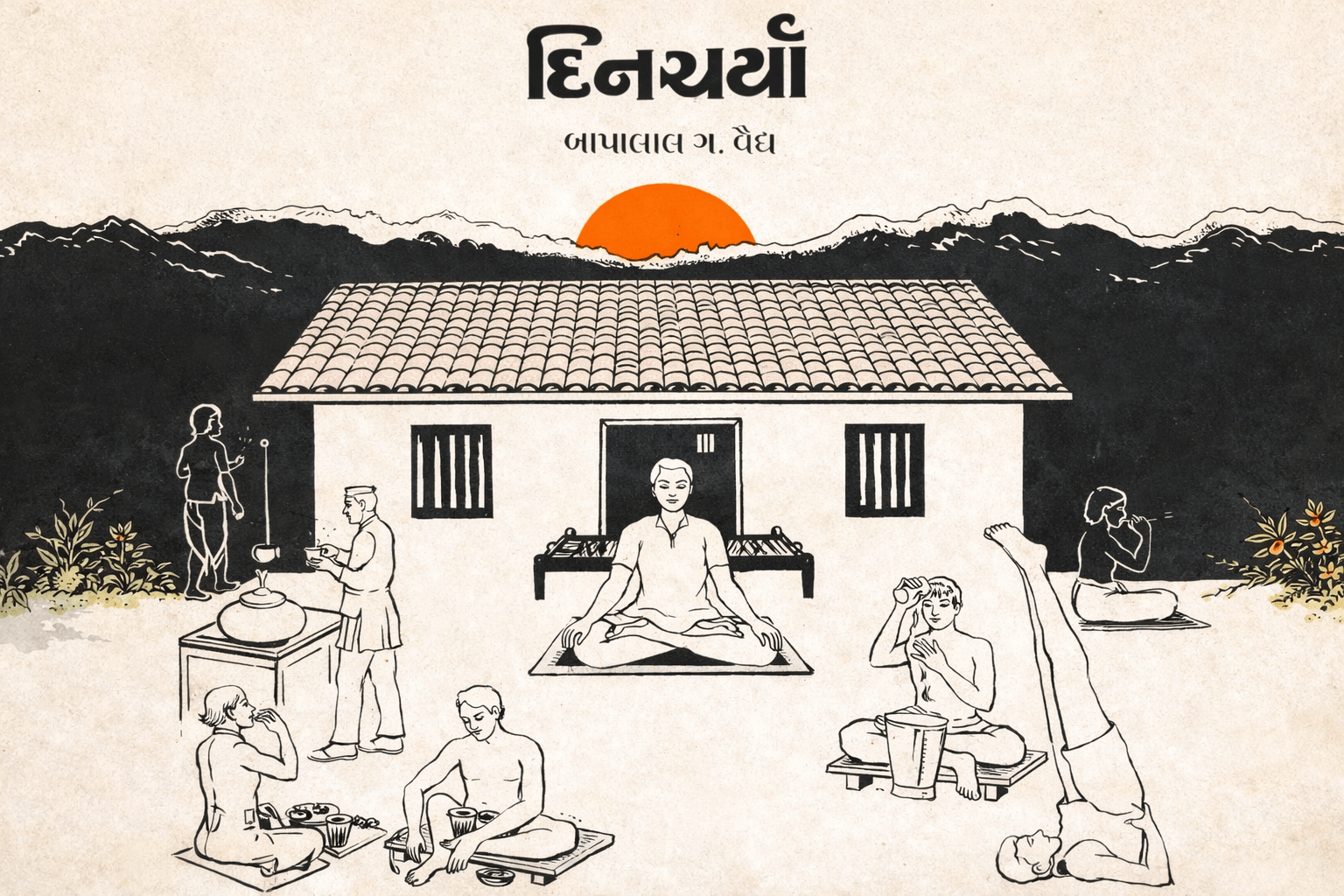
Daily routine, physical movement, and breathing practices stabilize the Doshas. Vata benefits from routine and warmth. Pitta benefits from cooling and moderation. Kapha benefits from stimulation and activity. Learn more about establishing a daily routine (Dinacharya) to support your specific body type.
Conclusion: Listening to Your Body
Ayurveda teaches that health is harmony. Disease arises when natural rhythms are ignored. By understanding your Ayurvedic body type, you gain clarity over your physical needs, emotional patterns, and mental tendencies.
Observe your digestion, sleep, emotions, and energy levels. Your body continuously communicates its needs. Learning to listen is the beginning of healing.