
The Molecule of More: Understanding the Role of Dopamine in Addiction
Core Understanding
- Beyond Pleasure: Dopamine is not just a pleasure chemical; it is a biological signal that tells the brain what is important for survival.
- Wanting vs. Liking: Addiction hijacks dopamine to create intense "wanting" or craving, even when the feeling of pleasure has completely disappeared.
- The Hijack: Drugs and behaviors create artificial dopamine spikes that overwhelm the brain, leading to severe tolerance and a dopamine deficit state.
- Healing is Balance: Recovery involves restoring the brain's dopamine balance through abstinence, healthy stress, genuine connection, and time.
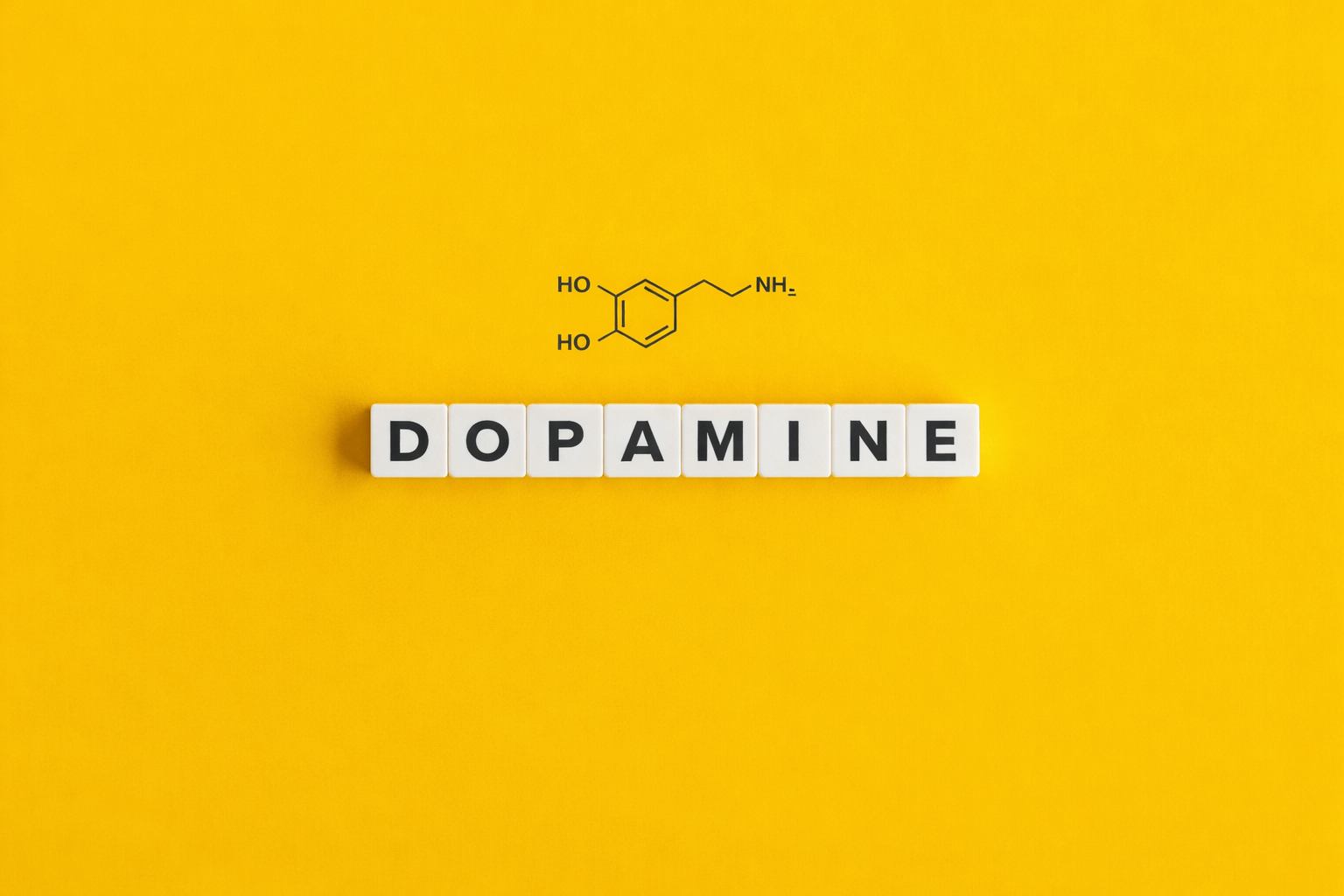
Table of Contents
Few words are used as casually and misunderstood as dopamine. It is constantly blamed for social media habits, heavily praised for motivation, and reduced to a buzzword explaining why people chase pleasure despite severe consequences. In conversations about dependency, the role of dopamine in addiction is often described simply as the "pleasure chemical." This oversimplification hides its real neurobiological power.
Dopamine is not about pleasure alone. It is fundamentally about survival, deep learning, motivation, and repetition. To truly comprehend what addiction is at its core, one must understand dopamine not as a simple reward, but as an urgent biological signal that tells the brain what matters most.
This in-depth exploration examines how dopamine functions as the brain’s currency of motivation, how it becomes hijacked by substances and behaviors, why addiction creates compulsive cravings even without enjoyment, and how recovery depends entirely on restoring balance to this delicate system. Understanding the role of dopamine in addiction is essential for mental health awareness, clinical rehabilitation, effective community-based care, and long-term healing.
Dopamine as the Brain’s Survival Currency
The human brain is intricately designed to keep us alive. To do this efficiently, it must constantly evaluate what is important and what is worth pursuing. Dopamine is the primary chemical signal that assigns value to human experiences. When dopamine is released, the brain is not saying "this feels good." It is saying "this matters, remember this, repeat this."
Dopamine drives:
- Intense motivation
- Natural curiosity
- Sustained effort
- Anticipation of reward
- Learning through repetition
Without dopamine, humans would not seek food, meaningful connection, personal achievement, or safety. The physical body would function, but the will to act would disappear entirely.
Baseline and Dopamine Spikes
The brain naturally maintains a steady baseline of dopamine activity. This baseline supports everyday motivation and emotional stability. When something important or novel occurs, dopamine rapidly spikes above this baseline. This spike signals the brain to pay close attention and remember the experience. The higher the spike, the stronger the learning imprint.
Different experiences elevate dopamine to vastly different degrees. Natural rewards like eating and intimacy produce moderate increases, while substances like nicotine, alcohol, and stimulants produce extremely unnatural spikes. According to institutions like the World Health Organization, these spikes teach the brain with overwhelming force that the substance is now essential for survival.
How Dopamine Becomes Hijacked
Addiction does not occur simply because dopamine exists. It occurs because modern substances and high-reward behaviors completely overwhelm a biological system designed for moderation and balance.
The Pleasure and Pain Balance
The brain processes pleasure and pain through highly interconnected systems. When dopamine rises sharply, the brain responds immediately by activating counterbalancing mechanisms to restore equilibrium. This neurological response is not a punishment. It is biological protection.
After intense pleasure comes immediate discomfort. Anxiety, irritability, and emotional flatness are simply the brain’s attempt to rebalance itself. If enough time passes, balance returns naturally. However, in addiction, the individual does not wait. The substance is used again aggressively to escape the discomfort.
Neuroadaptation and Tolerance
With repeated exposure, the brain is forced to adapt. Dopamine receptors decrease in sensitivity and number. Natural internal dopamine production sharply declines. This neuroadaptation creates tolerance, meaning much more of the substance is required to achieve the exact same effect.
Eventually, the individual no longer uses the substance to feel pleasure. They use it exclusively to escape the severe discomfort created by its absence. This is known clinically as a dopamine deficit state. Life feels painfully dull, empty, or exhausting without the substance. Motivation collapses, while anxiety and depression intensify. At this advanced stage, dependency is no longer about getting high. It is about avoiding neurological pain.
Wanting Without Liking: The Core Paradox of Addiction
One of the most confusing aspects of substance dependency is why people continue using chemicals they no longer enjoy. This paradox is explained by the separation of two distinct neurological systems:
- Wanting, which is driven heavily by dopamine.
- Liking, which is driven by satisfaction and internal comfort systems.
In a healthy brain, these systems work together in harmony. Desire leads to enjoyment, and enjoyment signals completion. In addiction, they violently split. The dopamine system becomes hypersensitized and craving grows stronger. At the exact same time, enjoyment completely diminishes due to biological tolerance.
The devastating result is compulsive pursuit without any pleasure. The individual wants intensely but likes very little. This is the exact neurological definition of compulsion, explaining why alcohol addiction and other dependencies persist even when consequences are severe and enjoyment is completely gone.
The Three Stages of Dopamine Dysregulation in Addiction
Addiction systematically progresses through recognizable stages driven entirely by dopamine imbalance.
Stage One: Reward and Learning
In early use, substances work exactly as promised. Artificial dopamine spikes create massive relief, excitement, or emotional safety. The brain learns that the substance easily solves a problem. Memory systems record the environment, the specific emotions, and the rituals associated with use. These soon become the cues that will repeatedly trigger future cravings.
Stage Two: Withdrawal and Negative Emotion
As biological tolerance develops, dopamine drops far below baseline when the substance wears off. Natural daily rewards lose their impact. Emotional discomfort rapidly increases and stress sensitivity rises. Anxiety, irritability, and emotional pain completely dominate the user's experience. Substance use dramatically shifts from seeking pleasure to desperately avoiding distress.
Stage Three: Preoccupation and Compulsion
The brain’s executive control systems significantly weaken. Cravings dominate all attention. Long-term life consequences lose their emotional weight. Even thinking about the substance triggers a minor dopamine release followed by a crash, wildly intensifying the craving. The brain becomes completely trapped in an agonizing loop of anticipation and deficit.
Why the Role of Dopamine in Addiction Is Central to Compulsion
Dependency is vastly complex, but examining the role of dopamine in addiction reveals it as the final common neurological pathway through which vulnerability becomes a dangerous, automated behavior.
Dopamine Drives Learning
Dopamine rapidly strengthens neural pathways. Repetition builds automatic, deeply ingrained behavior. When dopamine surges repeatedly in response to a potent substance, the brain overlearns the association. The pathway becomes deeply embedded and incredibly easy to reactivate, even years later. This science explains exactly why addiction can suddenly reappear after very long periods of abstinence.
Dopamine Reorders Life Priorities
Dopamine strictly assigns importance to actions. Substances that create massive chemical spikes are disastrously misidentified by the brain as essential for basic survival. Basic human needs such as food, healthy relationships, safety, and future planning lose their priority. This is not a moral failure or a sign of weakness. It is a biological miscalculation driven entirely by chemical intensity.
Dopamine Creates Dangerous Triggers
Dopamine-based learning is highly cue-driven. People, specific places, strong emotions, and routines associated with previous use can trigger sudden dopamine spikes and subsequent crashes. These intense neurochemical events feel exactly like life-or-death emergencies to the user. This is precisely why avoiding environmental triggers is absolutely essential in early recovery.
Why Some People Are More Vulnerable
Not everyone exposed to artificial dopamine spikes becomes dependent. Vulnerability depends heavily on several interconnected factors.
Genetics and Dopamine Sensitivity
Some individuals naturally have fewer dopamine receptors or a much lower baseline of dopamine activity. For them, daily life feels dull, difficult, or highly effortful. When they encounter substances that suddenly elevate dopamine, the effect feels deeply corrective rather than just excessive. This greatly increases their biological risk.
Trauma and Brain Development
Early life stress drastically alters dopamine system development. Emotional neglect, wildly inconsistent caregiving, and chronic stress severely reduce the growing brain’s ability to regulate both reward and pain. For targeted emotional support, Vaishalya Healing counseling services can help individuals safely process early trauma and rebuild their emotional baseline without substances.
Adolescence and Brain Maturity
During adolescence, internal dopamine systems are highly active while impulse control systems are still slowly developing. Introducing chemical substances during this critical period vastly increases long-term risk. This is exactly why the vast majority of addictions begin early in life.
Healing the Dopamine System in Recovery
Effective recovery requires working patiently with dopamine, rather than fighting against it.
Allowing the Brain to Safely Reset
Sustained abstinence allows damaged dopamine systems to finally recalibrate. Over time, receptor sensitivity gradually improves and baseline dopamine levels stabilize. This process is incredibly uncomfortable at first, but it is entirely essential for genuine, long-term healing.
Using Healthy Stress to Restore Balance
Certain challenging activities activate natural dopamine release without causing subsequent neurological crashes:
- Rigorous physical exercise
- Structured personal challenges
- Brief cold water exposure
- Highly disciplined daily routines
These natural activities strengthen internal resilience and completely restore the brain's reward balance.
Rewiring Through Consistent Repetition
Every single time a craving is resisted and a healthy behavior is chosen instead, a new neural pathway strongly solidifies. Old, destructive pathways slowly weaken through strict disuse. Recovery is not a single, monumental decision. It is repeated, daily practice.
Honesty and Human Connection
Truthfulness immediately reduces cognitive strain and strengthens emotional regulation. Authentic social connection releases dopamine and oxytocin naturally. Replacing a chemical reward with genuine human connection is absolutely essential for lasting recovery. Adult women experiencing severe burnout or dependency can find a highly structured, restorative environment at Vaishalya Wellness to safely navigate this delicate neurological recalibration.
Community-Based Recovery and Dopamine Healing
Dopamine systems evolved within safe social environments. Healing them permanently requires community.
In regions like Himachal Pradesh and surrounding areas, accessible, stigma-free mental health support actively helps individuals rebuild their broken reward systems through vital connection, clear structure, and deep purpose.
Asha Bhupender Charitable Trust heavily supports mental health awareness, clinical rehabilitation, safe community-based care, and long-term healing by focusing fiercely on emotional safety, consistency, and human dignity.
Contact Asha Bhupender Charitable Trust
For confidential guidance or support, the Trust can be contacted at:
Email: info@ashabhupendertrust.org
Phone: 8219392330
Conclusion: Dopamine as a Teacher, Not an Enemy
Dopamine is not the villain of the human experience. It is the brain’s greatest teacher.
It teaches us exactly what matters through repetition. In addiction, that vital lesson becomes dangerously distorted. Recovery is the diligent, daily process of teaching the brain a new way to live.
By understanding the true role of dopamine in addiction, we can move firmly beyond crippling shame and the myth of willpower. We can begin actively designing lives that respect human biology, drastically reduce sensory overload, and cultivate meaningful daily rewards through connection, creativity, and steady purpose.
Addiction is not a failure of character. It is a severe misfiring of biological motivation. Healing truly begins when we deliberately restore balance, allowing dopamine to finally guide us back toward life rather than pulling us away from it.


About Asha Bhupender Charitable Trust
Asha Bhupender Charitable Trust is deeply dedicated to promoting mental health awareness, clinical rehabilitation and recovery, holistic well-being, and structured community-based support. The Trust clearly recognizes that sustainable, long-term health requires the seamless integration of physical care, mental stability, lifestyle balance, and incredibly compassionate guidance.