Alcohol Addiction Recovery: 5 Silent Signs & The Path to Healing

Key Insights
- Hidden in Plain Sight: Alcohol's social acceptance often masks dependency until serious harm occurs.
- Beyond Choice: Addiction is a progressive condition where alcohol shifts from a choice to a compulsive biological need.
- Brain Rewiring: Chronic use alters brain systems for pleasure and self-control, making willpower alone insufficient.
- Recovery is Possible: Healing involves medical stabilization, psychological support, and rebuilding a life of connection and purpose.
Alcohol is one of the most socially accepted psychoactive substances in human history. It appears in celebrations, rituals, business interactions, and everyday routines. Because of this social integration, alcohol often escapes scrutiny until harm becomes impossible to ignore. Unlike illicit substances, alcohol dependency hides in plain sight, protected by cultural norms and delayed recognition.
For many individuals, alcohol remains a casual or controlled presence. For others, it slowly transforms into an invisible chain that affects health, relationships, identity, and emotional stability. Understanding alcohol addiction requires moving beyond moral judgments and simplistic explanations. It must be understood as a condition shaped by brain biology, learning, emotional survival, cultural context, and life experiences.
This in-depth exploration examines alcohol addiction as a progressive condition, explains how alcohol reshapes the brain, identifies warning signs, and outlines pathways toward alcohol addiction recovery grounded in mental health awareness, rehabilitation, community-based care, stigma-free support, and long-term healing.
Understanding Alcohol Addiction Beyond Labels
Alcohol addiction cannot be reduced to a single definition. It exists at the intersection of behavior, biology, emotion, and environment.
According to the World Health Organization, alcohol consumption contributes to over 200 diseases and injuries. For some, alcohol use gradually shifts from choice to compulsion. Once the loss of voluntary control develops, drinking continues despite mounting consequences. At this stage, alcohol becomes the central organizing force of life, driving decisions, relationships, and daily functioning.
At the same time, alcohol addiction is also a learned coping strategy. It develops through repetition, timing, emotional reinforcement, and habit formation. Alcohol becomes a reliable way to regulate stress, numb emotional pain, or escape inner discomfort. Over time, this learned relationship becomes resistant to change.
Seen together, alcohol addiction is both a brain-based condition and a behavioral pattern shaped by lived experience.
Alcohol Use Exists on a Spectrum
Alcohol addiction is not an on-off switch. It develops along a continuum, and understanding this progression is crucial for early intervention.
Patterns often include:
- social or occasional drinking
- regular or heavy drinking without clear consequences
- alcohol misuse with emerging problems
- dependence marked by tolerance, withdrawal, and loss of control
What matters most is not quantity alone, but the impact on physical health, emotional stability, relationships, and functioning. Alcohol addiction is present when drinking persists despite clear harm.
Cultural norms can blur these distinctions. In some settings, heavy drinking is normalized or even encouraged, delaying recognition of a developing problem. This is why awareness and honest self-reflection are essential components of prevention and alcohol addiction recovery.
How Alcohol Rewires the Brain
Alcohol addiction persists because alcohol fundamentally alters the brain systems responsible for pleasure, pain, motivation, and self-control.
The Pleasure-Pain Balance
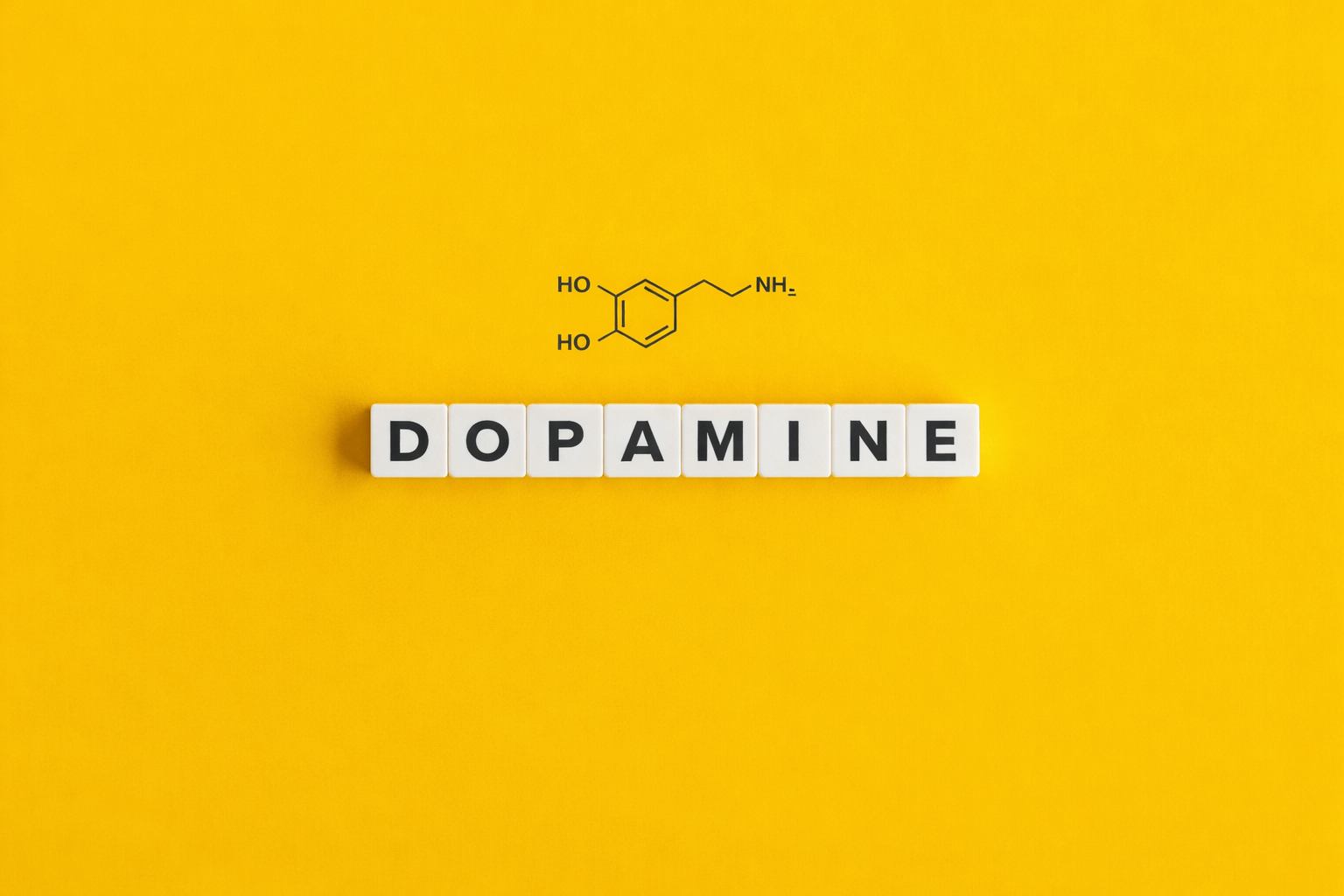
The brain processes pleasure and pain through interconnected systems that seek balance. Alcohol temporarily tips this balance toward pleasure by increasing dopamine activity. Dopamine reinforces behaviors the brain believes are important for survival.
With repeated alcohol use, the brain compensates by increasing stress and discomfort when alcohol is absent. This process is called neuroadaptation. Over time, the brain’s baseline shifts, and discomfort becomes the default state. At this point, drinking is no longer about feeling good. It becomes about relieving discomfort, anxiety, irritability, or emotional pain. Alcohol is used to feel “normal,” not euphoric.
Craving Without Enjoyment
A critical feature of addiction is the separation between wanting and liking. The desire to drink intensifies even as enjoyment decreases.
The brain’s motivational system becomes hypersensitive to alcohol-related cues, triggering powerful cravings. Meanwhile, tolerance reduces the pleasurable effects of alcohol. This creates a painful cycle in which the individual seeks alcohol compulsively, despite diminishing returns. This cycle explains why people continue drinking even when alcohol no longer provides relief or pleasure.
Impaired Self-Control
The brain regions responsible for judgment, impulse control, and future planning gradually weaken with chronic alcohol use. These systems normally help individuals pause, reflect, and weigh consequences.
As addiction progresses, short-term relief is consistently prioritized over long-term well-being. This is not a failure of character or willpower. It reflects structural and functional changes in the brain that undermine decision-making.
Why Some People Develop Alcohol Addiction and Others Do Not
Not everyone who drinks develops addiction. Risk emerges from the interaction of biological vulnerability, emotional development, and social environment.
Genetic Sensitivity
Family history plays a role in alcohol addiction. Some individuals inherit a higher tolerance for alcohol, allowing them to drink larger amounts without immediate negative effects. Ironically, this tolerance can increase risk because natural warning signals are weaker.
Genetics influence vulnerability but do not determine destiny. Environment and experience shape whether risk becomes reality.
Cultural Influence
Cultural attitudes toward alcohol strongly affect addiction risk. Environments that normalize heavy drinking or glorify intoxication increase exposure and reduce protective boundaries. In contrast, cultures that integrate alcohol into structured, relational contexts and discourage excess show lower rates of dependency. How, when, and why people drink often matters more than what they drink.
Trauma and Emotional Pain
Emotional pain is one of the strongest drivers of alcohol addiction. Early life stress, emotional neglect, inconsistent caregiving, or unresolved trauma can disrupt emotional regulation.
When individuals lack healthy tools to soothe distress, alcohol becomes an external regulator. It provides temporary relief from anxiety, loneliness, and inner emptiness. For those seeking to address these root causes, professional support is often needed. For instance, Vaishalya Healing counseling services specialize in trauma-informed care to help rebuild emotional resilience.
Over time, this relief becomes a necessity. Alcohol addiction, in this sense, is not the core problem. It is an attempted solution to emotional suffering.
Warning Signs and the Progression of Alcohol Addiction
Alcohol addiction usually develops slowly. Early signs are often subtle and easy to dismiss.
The Gradual Shift
Common stages include:
- increasing frequency or quantity of drinking
- using alcohol to manage stress or emotions
- failed attempts to cut down
- secrecy, defensiveness, or irritation when drinking is discussed
- morning drinking or drinking to relieve discomfort
Physical signs such as tremors, sleep disturbance, and tolerance often appear later.
Self-Assessment Questions
Warning signs include:
- feeling guilt or shame about drinking
- making promises to control drinking and breaking them
- avoiding others while drinking
- feeling irritated when drinking is questioned
- needing alcohol to start the day or calm nerves
Answering yes to multiple signs suggests a developing or established problem.
Alcohol Addiction Recovery: Stabilization and Healing
When alcohol dependence develops, external support becomes essential. Recovery is not about punishment or shame. It is about restoring balance and rebuilding capacity.
Medical Detoxification
For dependent individuals, stopping alcohol abruptly can be dangerous. Medical detoxification may be necessary to manage withdrawal safely. Detox is a stabilizing step, not a cure.
Abstinence and Harm Reduction
The approach to recovery depends on severity. For individuals with advanced dependence, abstinence is often necessary for stability. Attempts at controlled drinking frequently lead to relapse due to lasting brain changes.
For others with less severe patterns, harm reduction strategies may reduce risk and open the door to further care. Reducing harm keeps individuals engaged with support rather than pushing them away. There is no single pathway. Effective care meets people where they are.
Supportive Medications
Medications can support recovery by reducing cravings or blocking reinforcing effects. These tools work best when combined with psychological and social support rather than used alone.
Recovery as Rebuilding the Self
Recovery from alcohol addiction is not simply stopping drinking. It is rebuilding a life in which alcohol is no longer needed.
Restoring Brain Balance
Periods of sustained abstinence allow the brain’s reward systems to reset. Over time, the ability to experience pleasure from ordinary life gradually returns. This process requires patience. Early recovery often feels emotionally flat or uncomfortable as the brain recalibrates.
Honesty and Identity Repair
Addiction thrives in secrecy. Recovery requires honesty, both internally and with others. Letting go of defensive roles and false identities allows individuals to reconnect with their values and sense of self. Living in alignment with values reduces internal conflict and the urge to escape.
Community and Belonging
Connection is central to recovery. Support groups, peer networks, family involvement, and therapeutic relationships reduce isolation and provide accountability. Helping others, sharing experiences, and feeling understood restore dignity and purpose.
Coping Skills and Daily Care
Recovery requires practical tools. For women specifically, the pressures of balancing family and recovery can be overwhelming. Centers like Vaishalya Wellness focus on holistic recovery for women, addressing burnout and emotional fatigue alongside addiction.
Essential daily practices include:
- recognizing emotional triggers
- managing hunger, anger, loneliness, and fatigue
- maintaining regular meals and sleep
- engaging in physical movement
- practicing emotional awareness
These everyday practices strengthen emotional regulation and resilience.
Compassion Over Shame
Relapse does not mean failure. It is often part of the learning process. Approaching setbacks with curiosity rather than judgment helps individuals understand unmet needs and strengthen future coping. Shame deepens addiction. Compassion supports healing.
The Role of Community-Based Mental Health Care
Alcohol addiction is not only an individual struggle. It is a community mental health issue that requires accessible, stigma-free support systems.
In regions such as Himachal Pradesh and surrounding areas, geographic isolation, limited services, and social stigma often delay help-seeking. Community-based care brings support closer to home, strengthens early intervention, and reduces barriers to recovery through holistic approaches.
Organizations like Asha Bhupender Charitable Trust work toward mental health awareness, rehabilitation and recovery, community-based care, stigma-free support, and long-term healing by focusing on dignity, emotional safety, and continuity of care. Such approaches help individuals and families move from crisis toward stability and hope.
For guidance, support, or information related to **alcohol addiction recovery**, the Trust can be reached at:
Conclusion: From Dependency to Connection
Alcohol addiction is a condition shaped by brain biology, emotional pain, cultural influence, and learned behavior. It is not a failure of morality or strength.
Recovery is possible because the brain can change, people can reconnect, and lives can be rebuilt. With time, support, honesty, and compassionate care, individuals move from dependence toward wholeness.
Replacing judgment with understanding, and isolation with connection, creates the foundation for lasting alcohol addiction recovery. Alcohol addiction does not define a person. Healing begins when support replaces stigma and hope becomes visible again.