The Psychology of Addiction: Understanding the Science, Brain, and Human Reality

Core Understanding
- Not a Moral Failure: Addiction is a learned survival strategy and a compulsive relationship with a substance, not a lack of willpower.
- Brain-Based Condition: It fundamentally changes neural circuits responsible for motivation, relief, and impulse control.
- Developmental Roots: Often rooted in early emotional pain, trauma, or unmet needs during critical developmental stages.
- Connection is the Cure: Recovery is not just about stopping use; it is about rebuilding regulation, identity, and connection in a supportive community.
Addiction is often misunderstood. In everyday conversation, it is reduced to ideas of weak willpower, poor choices, or moral failure. Society creates simplified images of addiction and assumes the story is already known. Yet the lived reality of addiction is far more complex, deeply human, and rooted in biology, development, learning, and environment.
To truly understand the psychology of addiction, it must be approached not with judgment but with curiosity and compassion. Addiction is not simply about pleasure or excess. It is about pain, adaptation, survival, and the brain’s remarkable ability to learn and rewire itself in response to distress.
This comprehensive exploration examines addiction as a condition shaped by neurobiology, early development, trauma, learning patterns, and social context. According to the National Institute on Drug Abuse, understanding these biological mechanisms allows families, communities, and care systems to move beyond stigma and toward mental health awareness, rehabilitation, and long-term healing.
Addiction as a Human Experience, Not a Moral Failure
Addiction is best understood as a compulsive relationship with a substance or behavior that continues despite harm. It is not defined by how much a person uses, but by the loss of control, repeated relapse, and persistent craving even when consequences are severe.
At its core, addiction reflects a deep sense of inner hunger. Across cultures, addiction has been described metaphorically as an endless search to fill an internal emptiness. People caught in addiction are often trying to regulate emotional pain, stress, fear, loneliness, or unresolved trauma. The substance or behavior becomes a way to cope when healthier forms of regulation were never learned or became inaccessible.
Seen through this lens, the psychology of addiction is not a failure of character. It is a learned survival strategy that becomes harmful over time.
Addiction Exists on a Continuum
One of the most important distinctions in understanding addiction is recognizing that it is not a binary condition. People are not simply “addicted” or “not addicted.” Use exists along a continuum:
- experimental or occasional use
- regular or habitual use
- harmful or problematic use
- dependence marked by compulsion and loss of control
Many people may use substances without developing addiction. Others develop dependency quickly. The difference lies not in the substance alone, but in vulnerability factors such as emotional regulation, stress exposure, early life experiences, and neurological sensitivity.
Cultural context also shapes how addiction is defined. What is considered normal in one social setting may be viewed as pathological in another. This reinforces the idea that addiction cannot be understood in isolation from environment, relationships, and meaning.
How Addiction Changes the Brain
Addiction is fundamentally a brain-based condition. Repeated substance use produces long-lasting changes in neural circuits responsible for motivation, reward, impulse control, and emotional regulation.
Dopamine and the Drive to Want
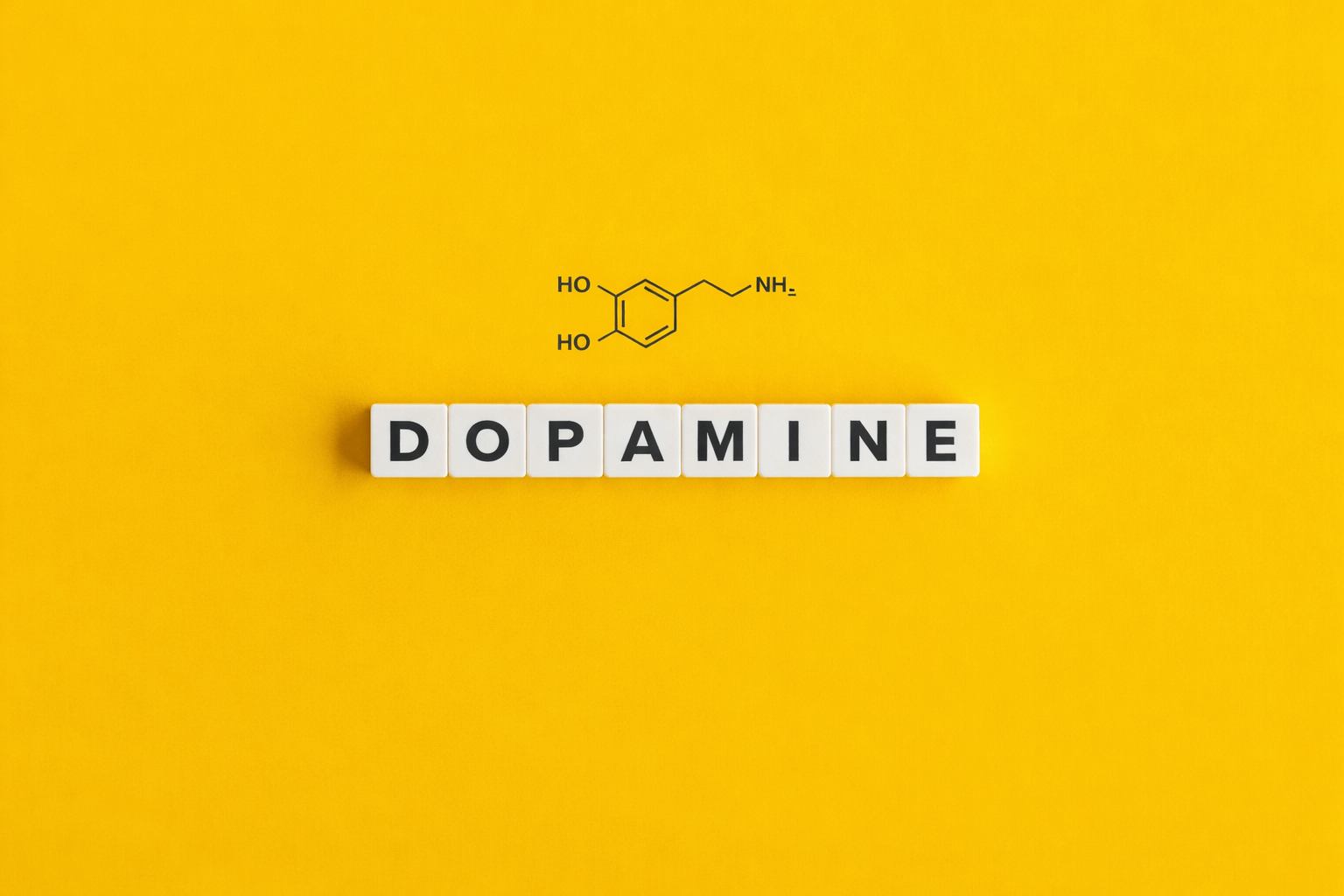
Dopamine is often described as the brain’s pleasure chemical, but its primary role is motivation rather than enjoyment. Dopamine drives anticipation, craving, and pursuit. It signals what the brain believes is important for survival.
In addiction, dopamine systems become sensitized. The brain assigns exaggerated importance to the substance or behavior. This creates intense wanting even when the person no longer experiences pleasure from use. This explains why individuals continue seeking substances that no longer make them feel good. The brain is not chasing pleasure. It is chasing relief, predictability, and emotional regulation.
The Comfort System and Emotional Safety
The brain also has internal systems responsible for comfort, bonding, and safety. These systems evolved to support attachment and connection. Substances such as opioids artificially activate these circuits, producing feelings of warmth, calm, and security.
For individuals who experienced emotional neglect, inconsistent caregiving, or chronic stress, substances may replicate sensations of safety that were missing early in life. Over time, the brain learns to associate the substance with emotional survival. This learning is powerful because it is tied to attachment and regulation, not recreation.
Impulse Control and the Prefrontal Cortex
A healthy brain balances desire with restraint. This balance is maintained by regions responsible for judgment, foresight, and impulse inhibition.
Chronic substance use weakens these regulatory systems. Decision-making becomes impaired, emotional reactions intensify, and the ability to pause and reflect diminishes. When craving arises, the brain’s braking system fails to engage effectively. This is why addiction cannot be overcome by willpower alone. The neurological capacity for control has been compromised.
Neuroplasticity and Habit Formation
The same process that allows humans to learn languages, skills, and behaviors also allows addiction to develop. The brain strengthens pathways that are used repeatedly. When substances are consistently used to manage stress or emotion, those pathways become dominant.
Healthy coping strategies weaken from disuse. Over time, the addicted brain becomes highly efficient at seeking substances and less capable of managing distress in other ways. This is not permanent damage. Neuroplasticity also allows recovery, but rewiring requires time, repetition, and supportive environments.
The Developmental Roots of Addiction
Addiction rarely begins in adulthood without earlier vulnerability. The foundation is often laid during childhood and adolescence, when the brain is still developing its regulatory systems.
Emotional Pain Beneath the Behavior
Addiction is not the primary problem. It is a response to underlying distress. Emotional pain may stem from neglect, inconsistent care, family instability, loss, or chronic stress. Even without overt abuse, the absence of emotional attunement can disrupt development.
Children require caregivers who respond to emotions with consistency and safety. When this is missing, the brain struggles to learn self-soothing. This often leads to unprocessed trauma. Services like Vaishalya Healing counseling services focus specifically on healing these early emotional wounds to break the cycle of dependency.
Attunement and Nervous System Development
The developing brain depends on relationships to regulate emotion. When a child’s distress is met with comfort, the brain learns balance. When distress is ignored or overwhelming, stress systems remain overactive.
This leads to chronic inner tension, emotional emptiness, or hypersensitivity. Substances may later serve as artificial regulators, calming an overactive system or stimulating an underactive one.
Adolescence as a Critical Window
Most addictions begin during adolescence. This period is marked by heightened reward sensitivity and incomplete impulse control. The brain is primed for exploration but lacks full regulatory capacity.
When substances are used during this stage to manage social anxiety, emotional pain, or identity confusion, the brain learns this coping pattern deeply. Early learning becomes hardwired and resistant to change. This explains why prevention, early intervention, and youth mental health awareness are critical components of long-term addiction prevention.
There Is No Single Addictive Personality
The idea of an addictive personality is misleading. There is no single set of traits shared by all people with addiction. However, certain temperamental extremes increase risk:
- high impulsivity and novelty-seeking
- high sensitivity, anxiety, or emotional intensity
In both cases, substances serve a regulating function. Addiction reflects a mismatch between nervous system needs and available coping resources, not a flawed personality.
Addiction in Its Social and Cultural Context
Addiction does not occur in isolation. Social disconnection, economic stress, displacement, and loss of belonging all increase vulnerability.
Environment Shapes Addiction
Human beings are wired for connection. When communities fracture, individuals lose sources of meaning, identity, and support. As detailed in the social ecology of addiction, isolation often drives individuals toward substances as a substitute form of belonging.
Unemployment, migration, and breakdown of family structures increase risk. Conversely, connection, purpose, and inclusion protect against addiction.
Genetics Influence Risk, Not Destiny
Genetics influence sensitivity, metabolism, and temperament. They do not determine fate. Genetic vulnerability expresses itself differently depending on environment, stress exposure, and cultural norms. This is why supportive environments can dramatically reduce addiction risk even in genetically vulnerable individuals.
The Psychology of Addiction and the Mind
Once addiction develops, thinking patterns shift to protect continued use. These are not deliberate lies but unconscious distortions shaped by survival mechanisms.
Salience and False Importance
The addicted brain assigns exaggerated importance to substances. Needs such as health, relationships, and work lose perceived value compared to the substance. This does not reflect lack of love or care, but distorted valuation driven by neurobiology.
Cognitive Distortions That Maintain Addiction
Common patterns include minimizing harm, rationalizing behavior, all-or-nothing thinking, and catastrophizing life without substances. These distortions reduce inner conflict and allow addiction to continue.
Addiction as a Substitute for Connection
Different addictions serve different emotional functions: work addiction masks inadequacy, compulsive shopping soothes anxiety, sexual compulsivity simulates intimacy. All reflect attempts to fill emotional voids created by disconnection or unmet needs.
Healing and Recovery as a Process of Reconnection
Recovery is not simply stopping use. It is rebuilding regulation, identity, and connection.
Rewiring the Brain
Recovery relies on neuroplasticity. New coping pathways must be practiced repeatedly. This includes learning to observe urges without acting on them, delaying responses, and redirecting attention. Mindfulness, routine, physical health, and emotional awareness support this process. Recovery is gradual, not instantaneous.
Why Punishment Does Not Work
Addiction is resistant to punishment. Shame, fear, and exclusion deepen isolation and worsen outcomes. People recover when they experience safety, dignity, and hope. Supportive environments create space for change. People are more likely to heal when they have something to protect, not when everything is taken away.
Harm Reduction and Compassionate Care
Keeping people alive and engaged with care is essential. Reducing harm allows individuals to stabilize until they are ready for deeper change. Compassion builds trust, which is the foundation of recovery.
For women facing addiction, specialized care that addresses burnout and stress is vital. Centers like Vaishalya Wellness provide holistic support for adult recovery, focusing on restoring emotional balance.
Community and Meaning
Lasting recovery requires connection. Support systems, peer communities, family involvement, and purpose-driven living restore what addiction eroded. There is no single path to recovery. Different individuals require different combinations of support. The goal is not perfection, but stability, dignity, and a meaningful life.
A Role for Community-Based Mental Health Support
Addiction is not just an individual issue. It is a public mental health concern that requires accessible, stigma-free systems of care.
In regions like Himachal Pradesh and surrounding hill communities, geographical isolation, limited services, and social stigma often delay help-seeking. Community-based care, local awareness, and early intervention are essential to bridge these gaps.
This is where organizations such as Asha Bhupender Charitable Trust play an important role by supporting mental health awareness, rehabilitation and recovery, stigma-free support, and long-term healing through community-rooted approaches. By focusing on dignity, continuity of care, and emotional safety, such initiatives help individuals and families move from crisis to stability.
Contact Asha Bhupender Charitable Trust
For those seeking guidance, support, or information related to mental health and psychology of addiction recovery, the Trust can be reached at:
Email: info@ashabhupendertrust.org
Phone: 8219392330
Conclusion: Replacing Judgment With Understanding
Addiction is not a failure of morality. It is a human response to pain, shaped by biology, development, learning, and environment. When viewed with compassion, the psychology of addiction becomes understandable, and when understood, it becomes treatable.
Healing begins when society replaces judgment with curiosity, punishment with care, and isolation with connection. Through mental health awareness, rehabilitation and recovery, community-based care, and stigma-free support, long-term healing becomes possible.
Addiction is not the end of the story. It is often the beginning of one that requires patience, dignity, and collective responsibility.